



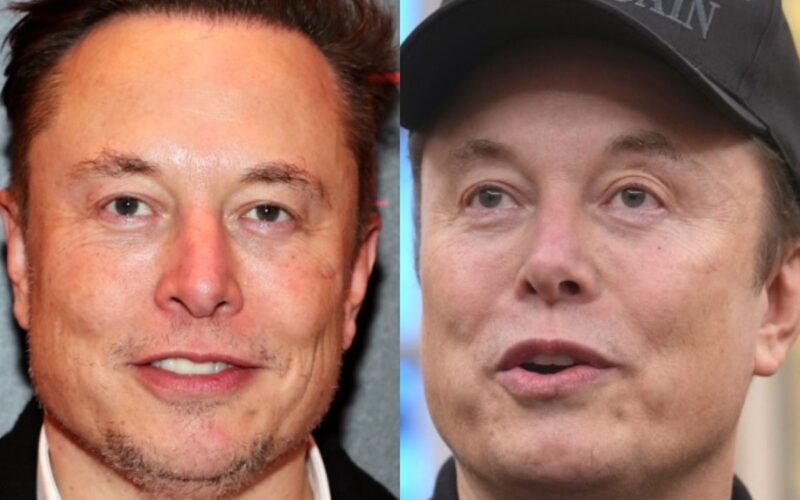
Elon Musk has turned weight-loss drugs into another internet spectacle. The Tesla CEO called himself “Ozempic Santa” in a Christmas post, then clarified that he used Mounjaro. Now, his slimmer look has pushed the so-called Mounjaro face debate back into the spotlight. The buzz is not just about Musk. It is about what rapid weight loss can do to a famous face.
Mounjaro Face Talk Follows Musk
Musk’s December 2024 posts made his drug use unusually public for a billionaire CEO. Forbes reported that he said Mounjaro seemed more effective for him than Ozempic. He also joked about side effects from higher doses of Ozempic. That mix of candor and internet humor gave the story legs fast.
Still, Musk has not confirmed cosmetic surgery. Any claim about procedures remains speculation unless he says otherwise. That matters because online comparison photos can turn into amateur diagnosis quickly. In Musk’s case, the chatter centers on his cheeks, jawline and overall facial volume.
Weight-Loss Drugs Drive Cosmetic Demand
The wider trend is real, though. The American Academy of Facial Plastic and Reconstructive Surgery reported a 50% rise in average fat-grafting procedures in 2024. The group linked the jump partly to patients trying to restore facial volume after GLP-1 weight loss. Surgeons also reported more interest in fillers, skin tightening and facial work.
The “Ozempic face” label can sound snarky, but doctors use it to describe visible volume loss. Fast weight loss can change cheeks, under-eyes and loose skin. For some patients, the body transformation comes with a facial trade-off. That is where the cosmetic industry sees a growing business.
Elon Musk Becomes the Example
Musk makes the debate louder because he is so visible. Every post, interview and public appearance gets pulled apart online. So when his face looks leaner, people connect it to the drug he discussed himself. That does not prove surgery, but it does explain the attention.
KFF reported that about 1 in 8 U.S. adults now take a GLP-1 drug for weight loss, diabetes or another condition. That means the conversation has moved far beyond celebrities. These medications have become mainstream, expensive and deeply tied to image culture.
For Musk, the story is another reminder that even extreme wealth cannot fully control public perception. He may embrace weight-loss drugs, tech and body upgrades with a wink. However, his changing appearance has opened a bigger debate about vanity, medicine and aging. The takeaway is not that Musk had work done. It is that America’s GLP-1 era now has a face everyone keeps studying.