


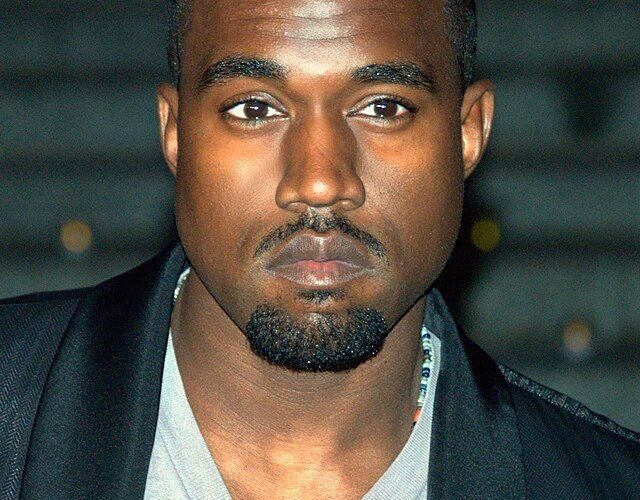
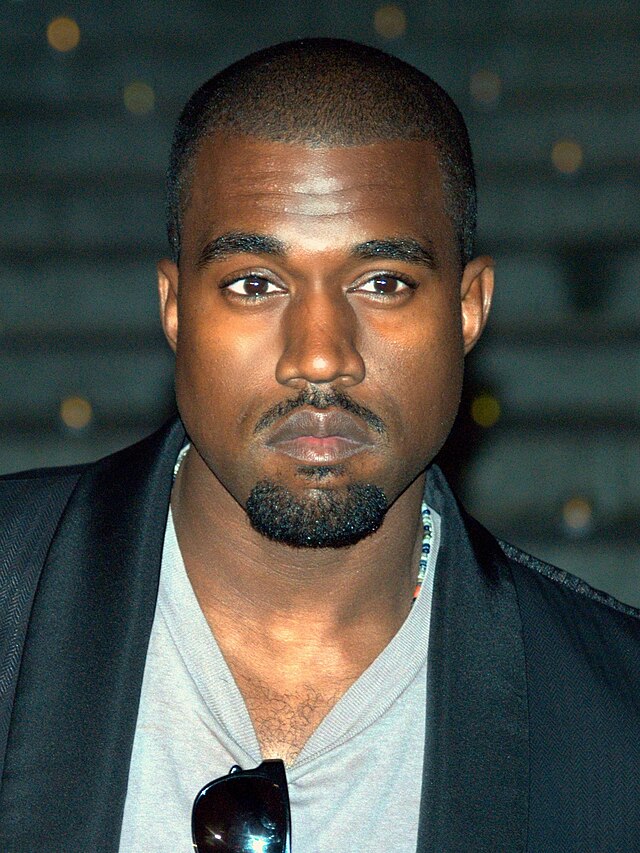
Kanye West’s planned Wireless Festival comeback has already unraveled into a much bigger story than a summer headline slot. What was supposed to mark his first UK performances in 11 years instead triggered sponsor exits, political condemnation and, ultimately, the collapse of the booking itself. Pepsi and Diageo both pulled their support after Ye was announced as the sole headliner for all three nights of the London festival. Within days, the controversy moved beyond music and into a wider fight over hate speech, brand safety and who gets a major public platform.
Kanye West Wireless Backlash
The backlash built fast because the booking was always going to be explosive. Wireless had lined up Ye for July 10 through July 12 at Finsbury Park, a major return for an artist who had not performed in the UK in more than a decade. But the reaction turned almost immediately from excitement to outrage, with critics pointing to his antisemitic remarks and public praise of Nazism. That pressure hit the festival where it hurts most: the money. Pepsi ended a long-running partnership, and Diageo followed, leaving the event facing a serious sponsorship hole.
Political Pressure Changed the Story
The booking also drew sharp public criticism from senior UK figures. Prime Minister Keir Starmer said it was “deeply concerning” that Ye had been booked despite his record of antisemitic remarks and glorification of Nazism. London Mayor Sadiq Khan also condemned Ye’s conduct, saying it did not reflect the city’s values. Once that level of political pressure arrived, the festival stopped looking like a risky booking and started looking like a full-blown public relations crisis.
That shift mattered because sponsor withdrawals rarely happen in a vacuum. Companies do not just react to one artist. They react to the risk of being seen as endorsing the full controversy around him. In this case, brand partners appeared to decide that staying attached to Wireless was more dangerous than walking away. The result was a festival narrative that no longer centered on music, ticket sales or Ye’s long absence from the UK. It centered on whether the event could survive the backlash at all.
Wireless Festival Hit a Wall
Then the biggest twist landed. The festival booking was canceled after Ye was denied entry into the UK, making the planned performances impossible to stage. Time Out reported on April 7 that the headline shows were off and ticket holders would be refunded. People and AP later reported that the UK entry ban became a major turning point in the broader European fallout around Ye’s comeback plans. That means the original frame of this story has already changed. It is no longer about whether Wireless can weather the storm with Ye still on the bill. It is about how badly the booking backfired before he even got to London.
For Wireless, the damage is now about reputation as much as logistics. The festival still carries a major brand name, but this episode has become a case study in what happens when a promoter underestimates the cost of controversy. For Ye, it is another sign that the fallout from his past conduct is still shaping where he can perform, who will fund events around him and how quickly public opposition can shut doors. What began as a headline-grabbing return ended up as a warning to the whole live music business.