

Content Advisory: This article discusses death, past drug addiction, incarceration, illness, and the Sept. 11 attacks. Reader discretion is advised.
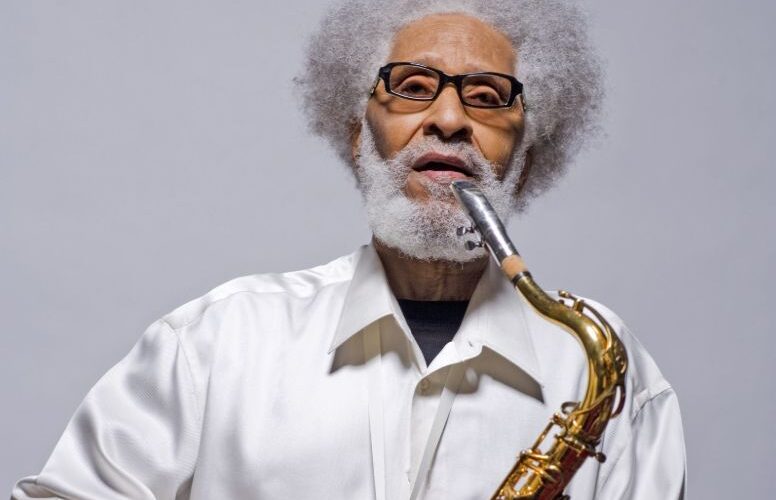
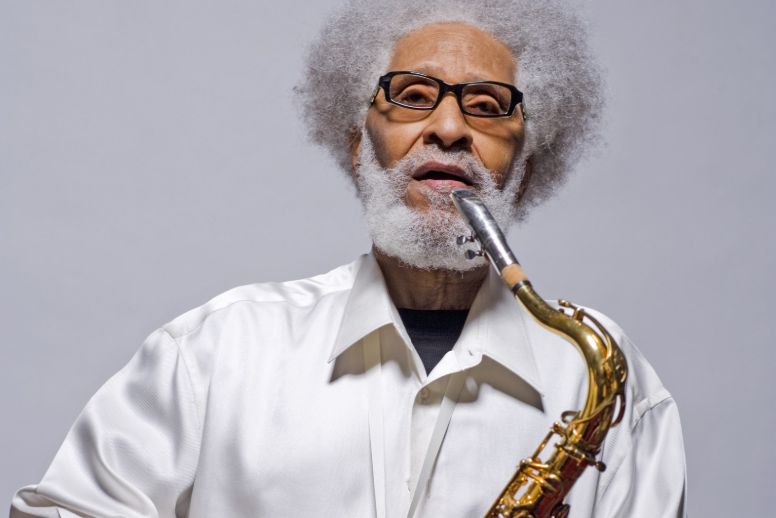
Sonny Rollins, the jazz giant known as the “saxophone colossus,” has died at 95.
Rollins died May 25 at his home in Woodstock, New York, according to a statement shared by his publicist, Terri Hinte. He had stopped performing more than a decade ago because of pulmonary fibrosis.
For many jazz fans, Rollins was more than a great tenor saxophonist. He was one of the last towering links to the golden age of modern jazz. His career stretched across six decades and placed him alongside Charlie Parker, Thelonious Monk, Miles Davis, and John Coltrane.
Rollins Helped Define Modern Jazz
Rollins became one of the most influential tenor saxophonists of his generation.
His playing carried force, humor, melody, and surprise. On ballads, his heavy saxophone tone could soften into something almost velvet. In concert, he had the rare ability to make long improvisations feel immediate instead of showy.
Many of his compositions became jazz standards, including ‘St. Thomas’, ‘Oleo’, ‘Airegin’, ‘Valse Hot’, and ‘Pent-Up House’.
His 1956 album ‘Saxophone Colossus’ became one of the landmark recordings in jazz history. It included ‘St. Thomas’ and the 11-minute performance ‘Blue 7’, which critics quickly recognized as one of the clearest examples of high-level jazz improvisation.
Rollins later released a wave of major albums, including ‘Way Out West’, ‘Tenor Madness’, ‘Live At The Village Vanguard’, and ‘Freedom Suite’.
His Life Included Struggles And Reinvention
Rollins was born Theodore Walter Rollins on Sept. 7, 1930, in New York. He grew up in Harlem’s Sugar Hill neighborhood, surrounded by music, politics, and major jazz figures.
His early career was interrupted by heroin addiction and jail time, including a 1951 armed robbery conviction. He later entered a federal treatment program in Lexington, Kentucky, and rebuilt his life.
Rollins also became famous for disappearing at the height of his success. In 1959, unhappy with his playing, he stopped performing and practiced for long hours on the Williamsburg Bridge. When he returned in 1962, his album ‘The Bridge’ turned that self-imposed exile into part of his legend.
His 9/11 Concert Became A Moment Of Healing
Rollins was in his Manhattan apartment, six blocks from the World Trade Center, when the Sept. 11 attacks happened.
After the towers fell, he picked up his saxophone. “That’s how I’ve gotten through this life, by picking up my horn,” he later said. “That’s my refuge, you know?”
Days later, he performed in Boston on Sept. 15, 2001. The concert was later released as ‘Without A Song: The 9/11 Concert’ and became one of his most moving late-career recordings.
Rollins received Grammy Awards, the National Medal of Arts, the Kennedy Center Honors, and the National Endowment for the Arts Jazz Master title.
His wife and manager, Lucille Rollins, died in 2004. He leaves no immediate survivors.
Rollins gave his final performance in 2012. Even in later years, he insisted he was still chasing something beyond reach. “What I’m looking for perhaps is unattainable,” he said in 2008. “But I certainly have a right to try to achieve it.”