


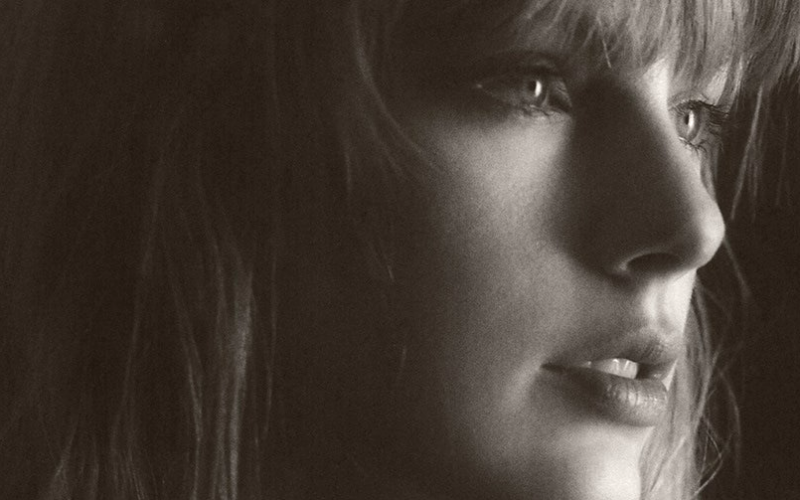
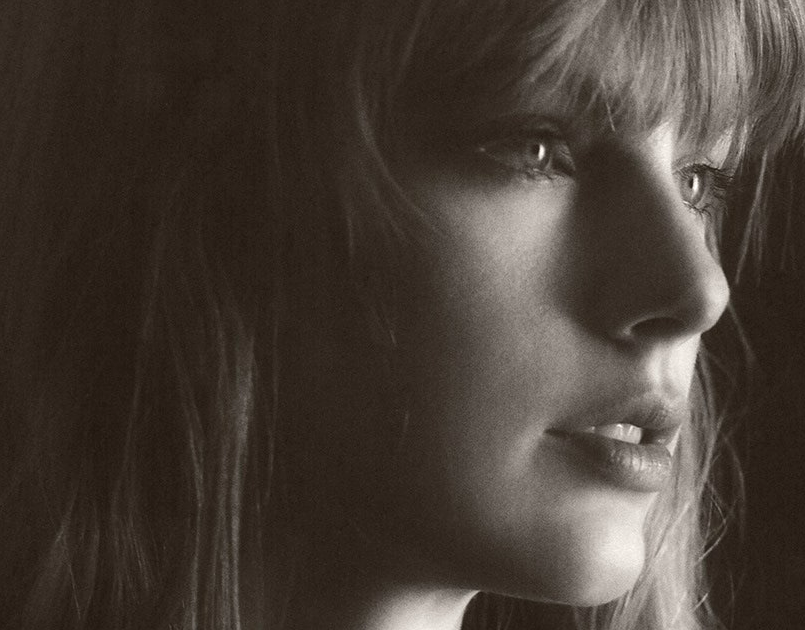
Taylor Swift is trying to lock down something AI cannot stop chasing: her voice. The Taylor Swift filing comes as stars face fake ads, cloned audio and manipulated images online. Her company, TAS Rights Management, filed three trademark applications with the U.S. Patent and Trademark Office. Two filings cover short audio clips, while one covers an image from her Eras Tour.
Taylor Swift Filing Targets AI Fakes
The filings reportedly include Swift speaking in two promotional clips tied to “The Life of a Showgirl.” One clip references Amazon Music Unlimited, while another mentions Spotify and an Oct. 3 release date. A third application covers an onstage image of Swift holding a pink guitar. The move gives her team another legal tool as AI copies get harder to spot.
Swift has already dealt with ugly uses of her image online. Fake ads and false political endorsement posts have used her likeness without approval. She also became the target of explicit AI-generated images that spread across social platforms. That history makes this filing feel less like branding and more like defense.
Hollywood Watches The Legal Play
The strategy mirrors a move from Matthew McConaughey. His team secured trademark protection tied to his voice, image and famous “All right, all right, all right” catchphrase. Those filings give him a clearer path to challenge AI clips that imitate his public persona. Swift now appears to be testing a similar lane.
Trademark attorney Josh Gerben told outlets that these filings could help celebrities fight confusingly similar imitations. That phrase matters because trademark law often focuses on consumer confusion. If fans think a fake clip came from Swift, her team may have stronger grounds to act. Still, courts have not fully tested this playbook in the AI era.
Stars Push Back On Cloned Voices
The broader fight has already pulled in major names. Scarlett Johansson criticized OpenAI in 2024 after a ChatGPT voice sounded “eerily similar” to hers. OpenAI denied trying to copy her and later paused use of the voice. The episode showed how fast an AI voice dispute can become a Hollywood flashpoint.
For Swift, the stakes run beyond one fake clip. Her brand moves through music, touring, film, merchandise and fan communities. A convincing fake could sell products, push politics or damage trust in minutes. That explains why her team may want protection before the next viral copy appears.
The filings do not mean every AI imitation will suddenly vanish. Still, they show how celebrities are building legal armor before the rules catch up. Swift has spent years controlling her work with unusual precision. Now, she appears ready to bring that same control to her digital identity.