


Taylor Swift is making a new legal move as AI copies of celebrity voices keep spreading online. The pop star has filed three U.S. trademark applications tied to her voice and appearance. The Taylor Swift filings include two short audio clips and one Eras Tour image. The move looks like a warning shot for anyone using fake Swift content without permission.
Taylor Swift Filings Target AI Copies
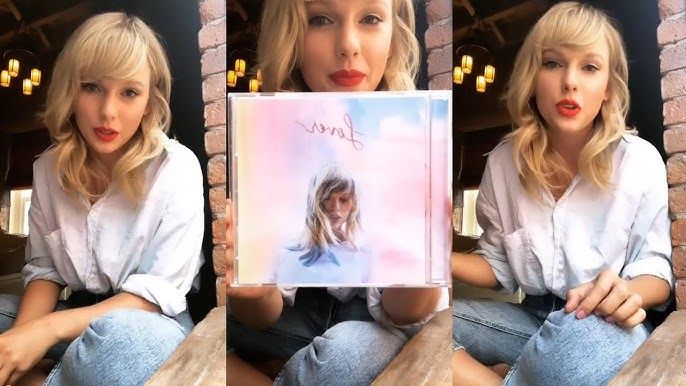
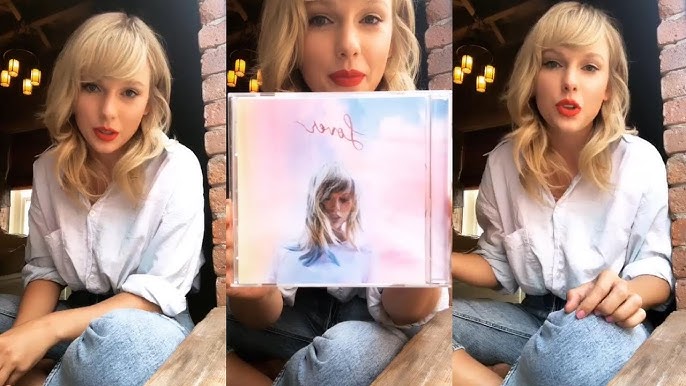
Swift’s company, TAS Rights Management, submitted the applications to the U.S. Patent and Trademark Office on April 24. Two filings cover sound recordings that begin with “Hey, it’s Taylor” and “Hey, it’s Taylor Swift.” The clips promoted her album The Life of a Showgirl, which arrived last fall.
The third filing covers a specific stage photo from the Eras Tour. The image shows Swift holding a pink guitar with a black strap. She also wears a multicolored bodysuit and silver boots.
Trademark lawyer Josh Gerben first flagged the applications on his blog. He said the filings could give Swift another legal tool against AI impersonations. The strategy may help her challenge copies that sound or look confusingly similar.
Why The Move Matters Now
AI-generated Swift content has already caused major headaches. Fake images, fake voice clips and a fake political ad have all circulated online. Some of those posts spread fast before platforms could react.
That problem is not limited to Swift. AI tools can now clone voices from short samples in seconds. For artists, that creates a strange new risk: Their identity can travel without them.
Several U.S. states have tried to close the gap with new laws. Tennessee passed the ELVIS Act in 2024 to protect voices, images and likenesses from AI misuse. Still, federal protection remains patchy.
Celebrities Are Testing A New Legal Playbook
Swift is not the only star trying this route. Matthew McConaughey has also pursued trademark protection for his voice and image. His filings include audio tied to his famous “Alright, alright, alright” line.
Scarlett Johansson has also taken legal action over AI use of her likeness. In 2023, she sued an app that allegedly used an AI avatar of her in an ad without consent. That case showed how quickly AI can turn celebrity identity into marketing material.
Swift’s filings do not mean every AI imitation would automatically violate trademark law. Courts still have to test how far this strategy can go. However, the move signals that celebrities are no longer waiting for platforms to police the problem.
For Swift, this is also about control. She built a career around ownership, from masters rights to rerecorded albums. Now, she appears to be drawing the same line around her voice, image and digital identity.