



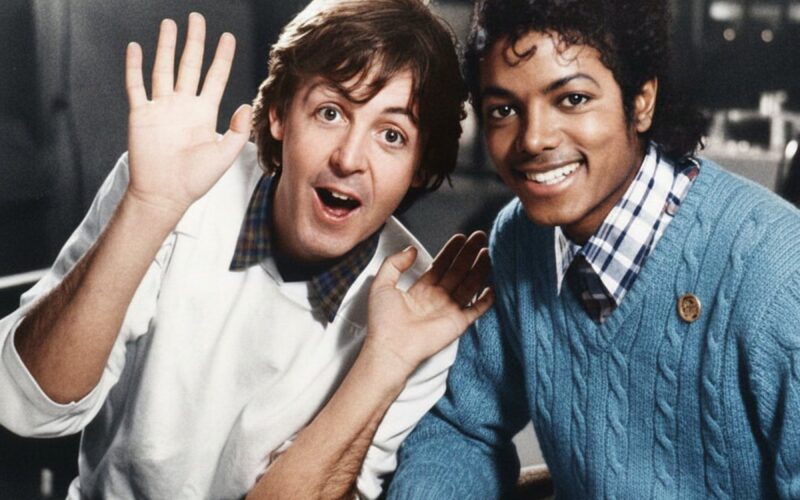
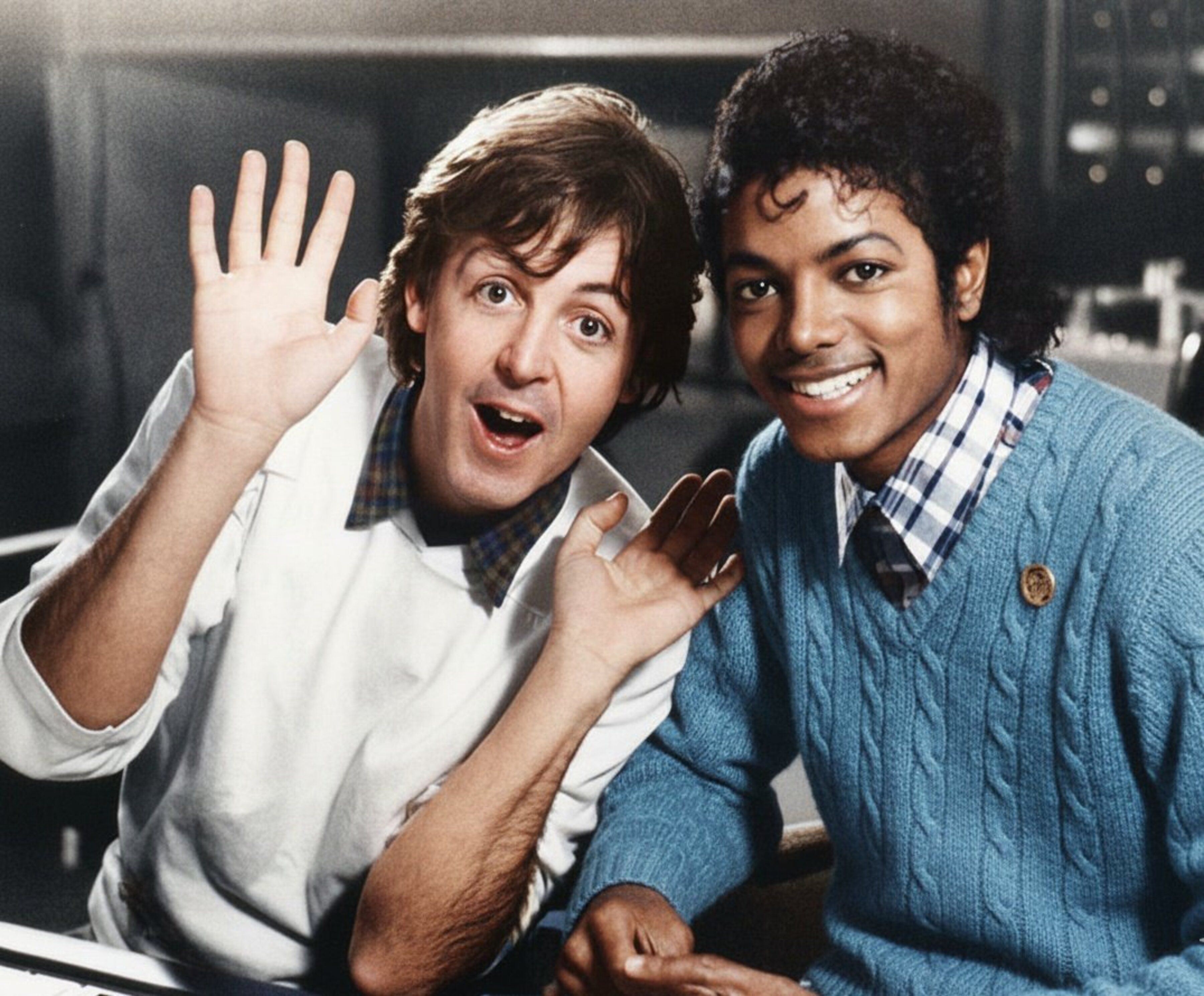
Michael Jackson and Paul McCartney once looked like pop music’s smoothest power pairing. They made hits together, praised each other in public, and seemed like two stars who genuinely clicked. Then one business move changed everything, and McCartney never looked at that friendship the same way again.
Their connection started in the late 1970s, when McCartney wrote ‘Girlfriend’ for Jackson’s 1979 album ‘Off the Wall’. By 1982, they were sharing the mic on ‘The Girl Is Mine’ from ‘Thriller’, one of the biggest albums ever released. A year later, they teamed up again for ‘Say Say Say’, which appeared on McCartney’s 1983 album ‘Pipes of Peace’. On the surface, it looked like a rare cross-generational alliance that was working beautifully. Behind the scenes, though, a much colder story was taking shape.
The Advice McCartney Came to Regret
During their time working together, McCartney reportedly gave Jackson a lesson in the value of music publishing. He explained how owning song rights could generate serious long-term money. That advice appears to have stayed with Jackson in a way McCartney never expected.
According to the long-circulated account, Jackson responded with a line McCartney did not take seriously at the time: “One day, I’ll own your songs.” McCartney reportedly laughed it off. Then, in 1985, Jackson bought ATV Music Publishing for $47 million, gaining control of most of the Beatles catalog.
For McCartney, the move cut deep. He had already spent years frustrated over royalty issues tied to the Beatles’ publishing history. Seeing a friend step in and take control of that catalog made the business side feel personal. He later said, “I think it’s dodgy to do something like that. To be someone’s friend, and then buy the rug they’re standing on.”
Why the Friendship Never Recovered
McCartney was not the only Beatle shaken by the purchase. George Harrison also questioned the move and made clear he wanted songs from the catalog back in family hands. Jackson, however, appeared to view the catalog as a high-value asset, not something to hand over because of personal ties.
McCartney later said he tried more than once to reopen the conversation. He hoped Jackson might eventually give Lennon-McCartney a better deal. Instead, he said Jackson kept giving him the same answer: “That’s just business, Paul.”
That response seems to have said everything. There was no explosive public war between them, but the closeness faded. McCartney later described it as a slow drift rather than one huge rupture. Even so, the damage was done.
Years later, after legal action and a private settlement tied to the US Copyright Act of 1976, McCartney was able to secure an arrangement involving the Beatles catalog. By then, though, the friendship that once produced ‘The Girl Is Mine’ and ‘Say Say Say’ had long since become part of music history.