

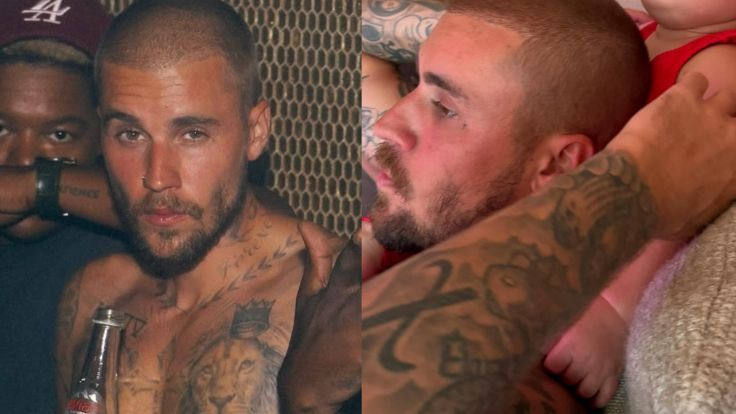
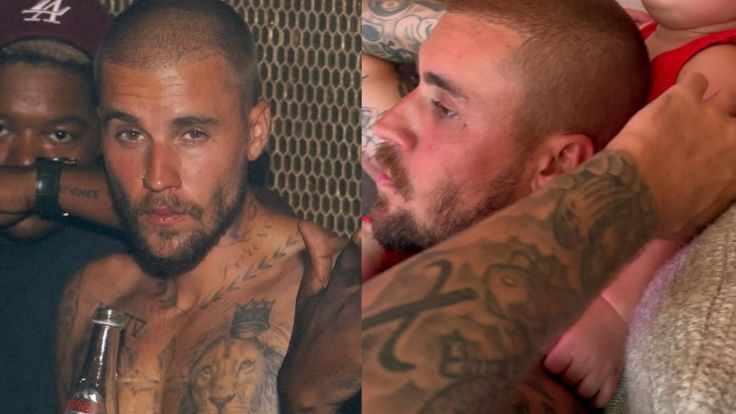
Justin Bieber left Coachella fans confused after using old YouTube clips of himself during part of his 2026 set instead of singing several early hits straight through live. Reports about the move spread quickly online, especially because some outlets tied it to his 2022 catalog sale to Hipgnosis Songs Capital for more than $200 million. That deal covered rights tied to more than 290 songs from his back catalog, but the exact limits on what he can still perform live have not been made public. Bieber also has not confirmed that rights issues drove the Coachella choice. So while the theory has gone viral, Justin Bieber has not backed it up himself.
The festival moment got attention because it felt more like a nostalgic media mix than a standard headline set. Reports said Bieber sang along to older clips of songs such as “Baby,” “Favorite Girl,” “Beauty and a Beat,” and “Never Say Never,” rather than delivering each one as a full live performance. That instantly fueled talk that his catalog sale may have changed how he can use those songs onstage. Yet that leap remains speculative. Public reporting confirms the sale happened, but not that it blocked him from performing those tracks live at Coachella.
Justin Bieber Coachella Theory Takes Off
One reason the rumor caught fire is simple. The YouTube-heavy format looked unusual for an artist with Bieber’s hit list. International Business Times described the set as a possible workaround, while other viral write-ups pushed the idea even further. But there is still no public contract language showing he lost the ability to sing pre-2022 songs in concert. That matters, because catalog sales often involve layered rights splits that are not obvious from headlines alone.
There is another wrinkle here. Pitchfork reported that Bieber’s second Coachella weekend performance included a medley of older hits such as “As Long As You Love Me,” plus additions like “U Smile” and “One Time,” alongside newer material and guest appearances. That does not fit neatly with the claim that he simply cannot perform older songs anymore. Instead, it suggests the Coachella approach may have been a creative choice, a one-off production idea, or part of a broader set design the public still does not fully understand.
Money Questions Add More Heat
The Coachella chatter also reopened another story around Bieber’s finances. Last year, TMZ’s documentary TMZ Investigates: What Happened to Justin Bieber? claimed he sold his catalog because he was close to financial collapse after the cancellation of his Justice World Tour. People reported the same allegation while noting Bieber’s representatives did not comment for that story. More recently, IBTimes reported that Bieber’s team has pushed back on that narrative and disputed the idea that the sale proves he was broke. So even the money angle remains contested.
What is confirmed is narrower and more solid. Bieber sold his catalog rights in a major deal in late 2022, and that sale has become one of the biggest artist-rights transactions of its kind. What is not confirmed is whether the deal forced his hand at Coachella, or whether the MacBook-and-YouTube setup was simply designed to lean into nostalgia in a strange, internet-ready way. Until Bieber or his team explains it, the rights-workaround idea stays in rumor territory.
For fans, that may be the real takeaway. The set was memorable, but also oddly distant for an artist with so many huge singalong records. If Bieber wanted people talking, he got exactly that. The harder question is whether the performance hinted at a lasting change in how he uses his old hits, or just one very strange festival swing.