


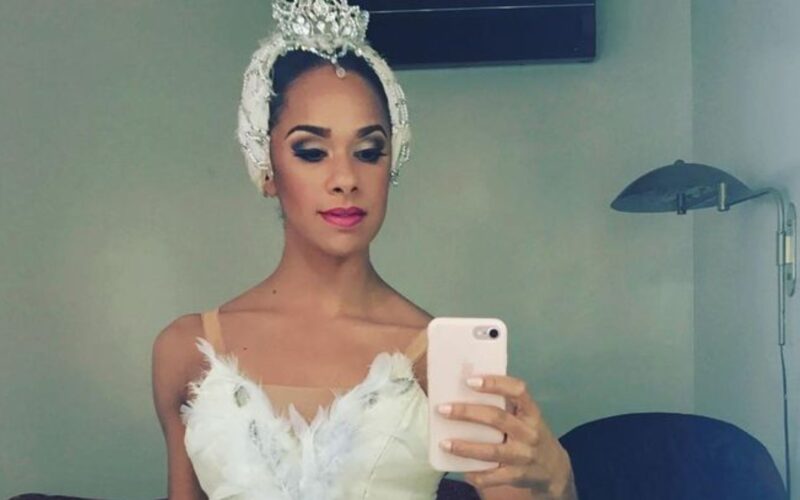
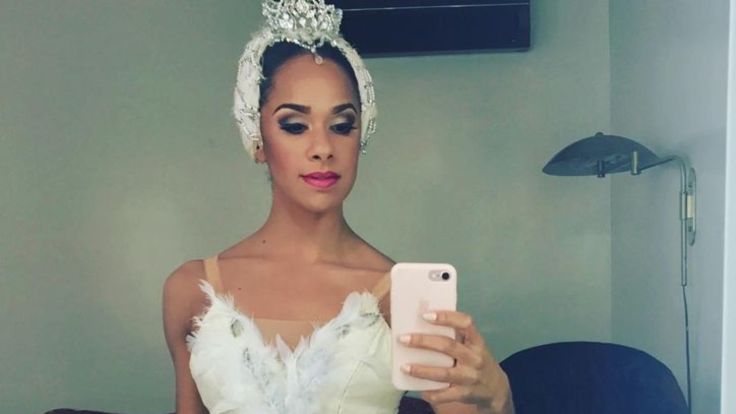
Misty Copeland returned to the spotlight at the 2026 Oscars with a standout ballet performance that drew a visible reaction from Timothée Chalamet, weeks after his comments about ballet stirred criticism.
A Surprise Return That Changed the Room
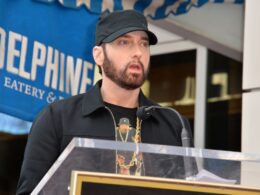
For a few minutes inside the Dolby Theatre, the tone shifted. The orchestra hit, the stage reset, and Copeland stepped back into a space she had technically left behind after retiring in 2025. No buildup, no long intro. Just movement. The kind that pulls a room quiet before it snaps into applause. By the time she finished, people were already on their feet. Chalamet included.
The context made it land harder. Not long ago, Chalamet had said in a public forum that ballet and opera were fading out of relevance. The quote traveled fast, especially among performers and institutions that have spent years trying to keep those art forms visible. Copeland didn’t respond with a direct hit. She took a more measured route in earlier interviews, pointing out that film itself draws heavily from ballet and opera traditions. Then she showed up and did the work onstage.
Her appearance was tied to a live performance of “I Lied to You” from the film Sinners, one of the night’s Best Original Song contenders. The number leaned into a 1930s Southern setting, with live vocals and a full band backing the sequence. Copeland’s solo came at the end, cutting through the production with a clean, controlled finish that shifted the focus back to technique.
Why the Performance Carried Extra Weight
For viewers who don’t follow ballet closely, Copeland’s presence carries weight beyond a single performance. She became the first Black woman to be named a principal dancer at American Ballet Theatre in 2015, a milestone that still comes up in conversations about representation in classical dance. She started late by ballet standards, joining the form at 13, and built a career that crossed into publishing, Broadway, and film projects.
There was also a quieter layer to her Oscars moment. In the weeks leading up to the ceremony, Copeland had been involved in promotional work connected to Marty Supreme, the film that earned Chalamet his Best Actor nomination. That overlap didn’t go unnoticed in industry circles. It added a subtle tension to the standing ovation, the kind that publicists and producers track closely when narratives start to intersect.
One Oscars Moment Said More Than a Statement Could
By the end of the night, the takeaway wasn’t just about one performance. It was about timing. A retired ballerina returns. A debated art form gets a prime slot. A high-profile actor stands and applauds after questioning its place. In a show built on optics, that sequence said more than any follow-up statement could.