



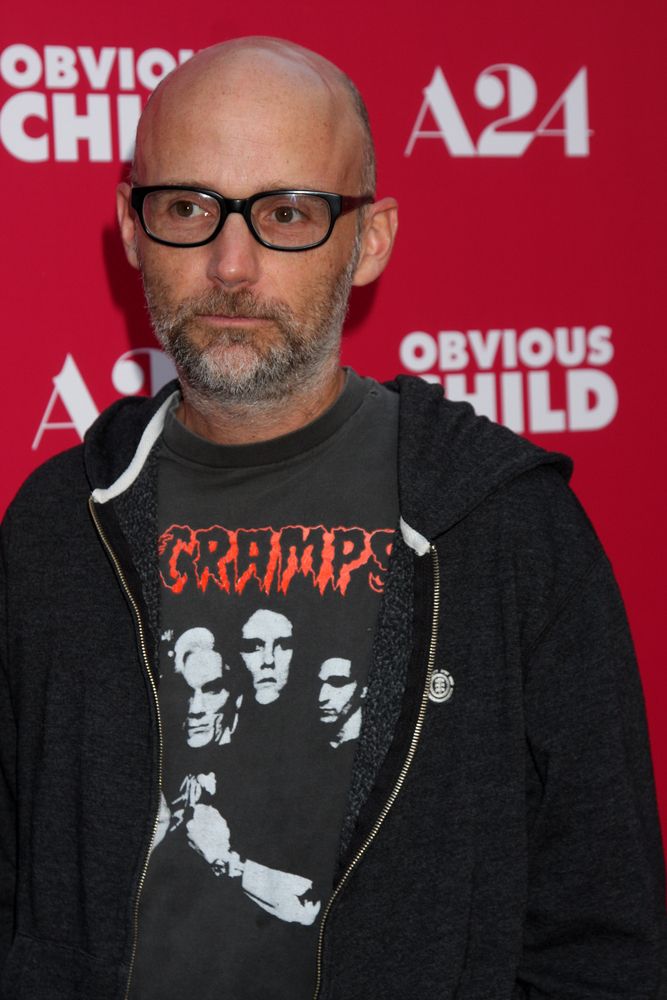
Moby is once again addressing the long-running controversy over his claims about Natalie Portman — and this time, his tone is noticeably different.
The electronic music star first sparked backlash in 2019 when he wrote in his memoir Then It Fell Apart that he briefly dated Portman in 1999. At the time, he was 33 and she was 18. Portman swiftly and publicly disputed that version of events, saying she did not consider their interactions dating and describing her memory of him as “a much older man being creepy.”
Now, in a new interview with The Times, Moby admits the situation remains difficult to untangle. Asked whether the fallout had turned into “a sour episode between two seemingly decent people,” the 60-year-old musician responded that he doesn’t disagree with that assessment. While he hasn’t fully walked back his original account, he acknowledged that the criticism surrounding the memoir was valid.
Back in 2019, Portman told Harper’s Bazaar UK that she was “surprised” by Moby’s characterization of their time together. She recalled meeting him after one of his shows and said they only spent time together a handful of times before she felt uncomfortable. According to Portman, she quickly realized he was interested in her in a way she considered inappropriate.
Following her public response, Moby issued an apology on Instagram, saying it was inconsiderate not to inform her she would be included in the book and equally inconsiderate to dismiss her reaction. He expressed regret for any distress caused and acknowledged he should have behaved more responsibly, particularly given their age difference.
However, Moby later clarified in a 2021 interview with The Guardian that while he regretted aspects of his past behavior — especially during periods of substance abuse — he did not agree with the label “creepy.” He admitted that during his struggles with alcoholism and addiction, he often acted selfishly and inconsiderately toward people in his life.
Years later, the episode continues to follow both stars, serving as a reminder of how memoir revelations can quickly turn into public reckonings — especially when memories and interpretations collide.