





Selena Gomez is opening up about one of the hardest parts of her mental health journey, and the path to answers was far from simple. In a candid new conversation, the singer and actor revealed that she was misdiagnosed in the beginning. It was after going to four different rehabs that she was diagnosed with bipolar disorder.
Gomez first shared her bipolar diagnosis publicly in 2020 during an Instagram Live chat with Miley Cyrus. Since then, she has been unusually direct about what that discovery changed for her. In a recent episode of the ‘Friends Keep Secrets’ podcast, the ‘Only Murders in the Building’ star said she knew for a long time that something was off, even if she did not yet have the right words for it.
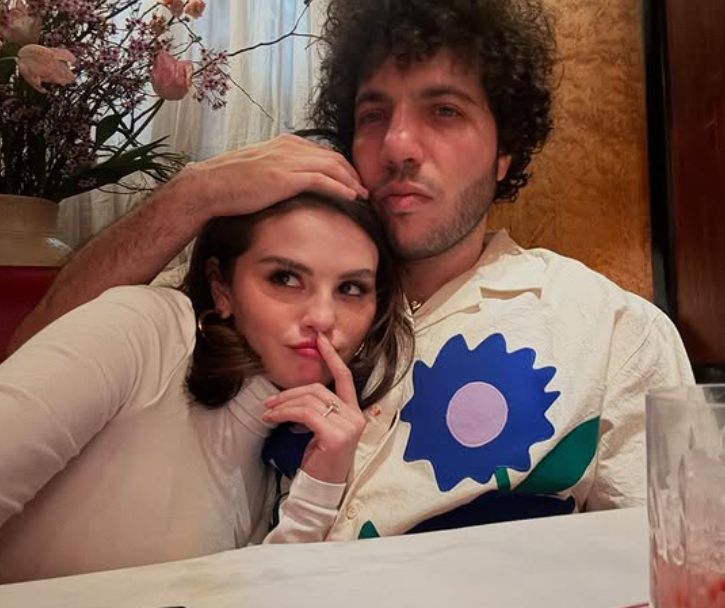
She told husband Benny Blanco, “I knew something was wrong, but I think I was misdiagnosed.” Gomez explained that people were making assumptions, and she kept trying different therapists while searching for answers. It was not a quick process, and it clearly was not a neat one either.
Why Selena’s Diagnosis Took So Long
Mental health stories are often presented like a lightbulb moment, but Selena’s account sounds much messier than that. She said it took speaking to multiple people and going through four different rehabs before the pieces finally came together. “I’m so grateful I went to four different rehabs because it all helped me understand it,” she said.
That is a striking admission, especially from someone who has spent so much of her adult life in the public eye. Gomez has been famous since her Disney Channel days. And behind what looks like a glamorous life, she had been dealing with very difficult symptoms. According to her, these symptoms were hard to identify, let alone explain. After multiple visits and therapists, the final diagnosis she was able to receive was that of bipolar disorder. Getting to this conclusion helped her understand years of reactions, behavior, and emotional shifts that had once felt confusing.
Blanco also shared that Gomez sometimes experiences mania without fully recognizing it in the moment. He said she may only realize what is happening after the fact, and in some cases, does not even remember parts of it while it is happening. Gomez, for her part, said she is now much more aware of those moments and can often catch them faster.
What Changed After The Bipolar Diagnosis
For Gomez, the diagnosis did not box her in. If anything, she says it gave her relief. She explained that understanding what was actually going on allowed her to live more freely. This also helped her stop blaming herself for every difficult reaction or emotional swing. “I’m not ashamed at all,” she said of her manic moments, adding that being informed has helped her respond earlier.
She also pushed back on the stigma around therapy and psychiatric care. In her view, mental health support is not one-size-fits-all, and getting help can be far more complicated than people think.
The bigger takeaway from Selena’s story is not just the diagnosis itself. It is the fact that she kept going until she got real answers. For anyone watching from the outside, that may be the most powerful part.