





Taylor Swift is facing a trademark infringement lawsuit over ‘The Life of a Showgirl’, and the fight opens up a bigger question than one album title. When a star gets this big, do the usual boundaries start to look optional?
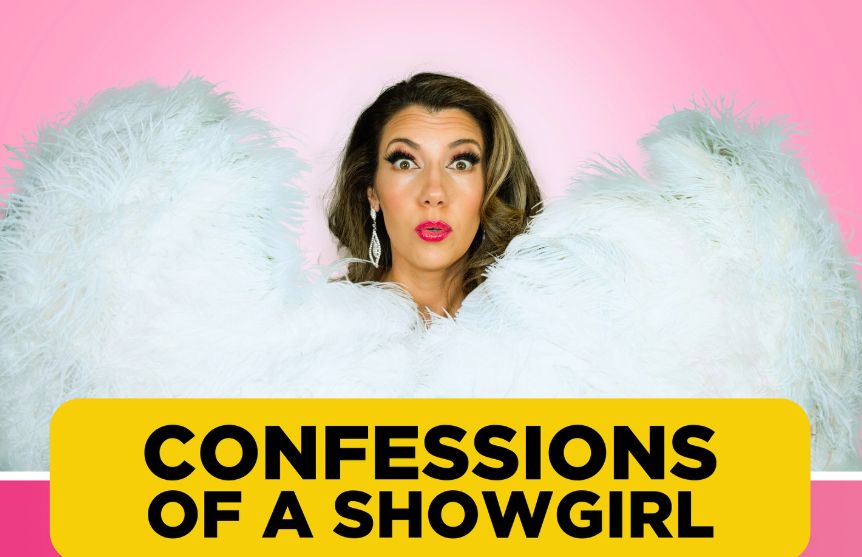
That is the tension running through the complaint filed by performer and writer Maren Flagg, who works professionally as Maren Wade. She says Swift and her business partners pushed ahead with ‘The Life of a Showgirl’ even after the U.S. Patent and Trademark Office allegedly found it too close to her long-running brand, ‘Confessions of a Showgirl’. If that claim holds up, this stops being a standard title dispute and starts looking like something else: the kind of excess only someone at Swift’s scale could even attempt.
The Lawsuit Says Taylor Swift’s Team Knew There Was Trouble
According to the complaint, Wade began writing a showbiz column for Las Vegas Weekly in 2014 under the name ‘Confessions of a Showgirl’. She later expanded it into a live show, a book, a podcast, and related content. In 2015, she says, she trademarked the phrase for entertainment services and eventually secured incontestable status, which gives her stronger protection and exclusive rights tied to that mark.
That is where the problem begins for Swift.
Wade claims that in 2025, Swift and her team tried to trademark ‘The Life of a Showgirl’ and were denied because the phrase was considered “confusingly similar” to ‘Confessions of a Showgirl’, especially in the same entertainment space. The concern, according to the complaint, was simple enough: consumers could reasonably think the two were connected.
If that version of events is accurate, then the central issue is not just similarity. It is what happened next.
Wade says Swift’s team kept using the phrase anyway, rolling it out through what the complaint describes as “a coordinated commercial program” distributed across retail channels reaching millions of people. She also says she was never contacted before any of it happened.
That detail gives the story its real edge. Trademark disputes happen all the time in entertainment. But most artists do not have the kind of machine Swift has behind her. Most artists cannot take a disputed title and instantly push it into the market at scale.
Does Fame Make the Rules Feel Optional?
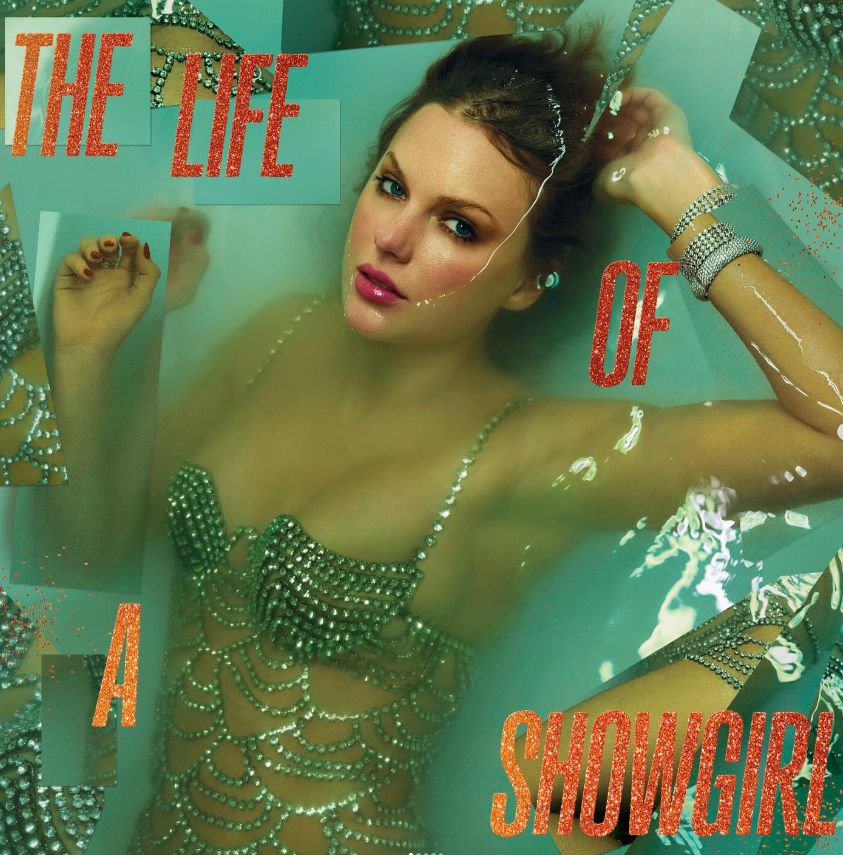
This is not the first time Swift has faced criticism that her size changes the way she moves. Even before the lawsuit, some fans were already pushing back on the rollout for ‘The Life of a Showgirl’.
Swift had said on the ‘New Heights’ podcast that the album would stand alone, without bonus tracks, seemingly to avoid the fatigue that followed last year’s expanded release strategy. But fans quickly called out what they saw as a loophole-heavy rollout, with multiple limited-edition covers, several unplugged versions announced within a day of release, and exclusive content spread across different variants. The frustration was not just about merch. It was about whether an artist this big had started treating fan loyalty like something to be endlessly stretched.
So, what is Wade really arguing here? In plain terms, that Swift’s size may have turned a legal red flag into a manageable business risk.
That does not mean Wade automatically wins. It also does not mean Swift’s team saw it that way. Swift has not yet responded in court, and her representatives have reportedly been contacted for comment. But the optics are rough. When one of the biggest stars in the world is accused of moving forward after a trademark denial, it feeds a familiar suspicion about celebrity power. Success does not just buy visibility. It can also create a sense that ordinary constraints are for smaller players.
Wade is asking the court to block Swift and her team from using ‘The Life of a Showgirl’, and she wants profits tied to the phrase, along with legal fees. That raises the stakes quickly. This is no longer just a paperwork issue around branding. It is a test of whether scale can blur the line between confidence and overreach.
And in Swift’s case, people are going to watch that line very closely.