





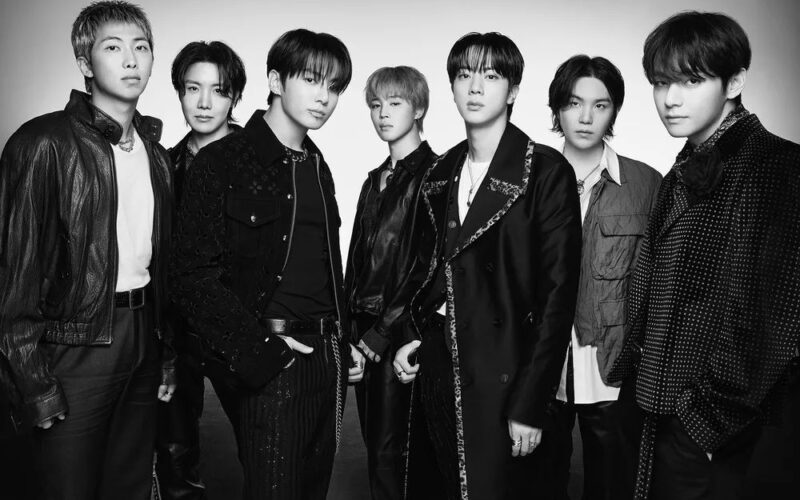
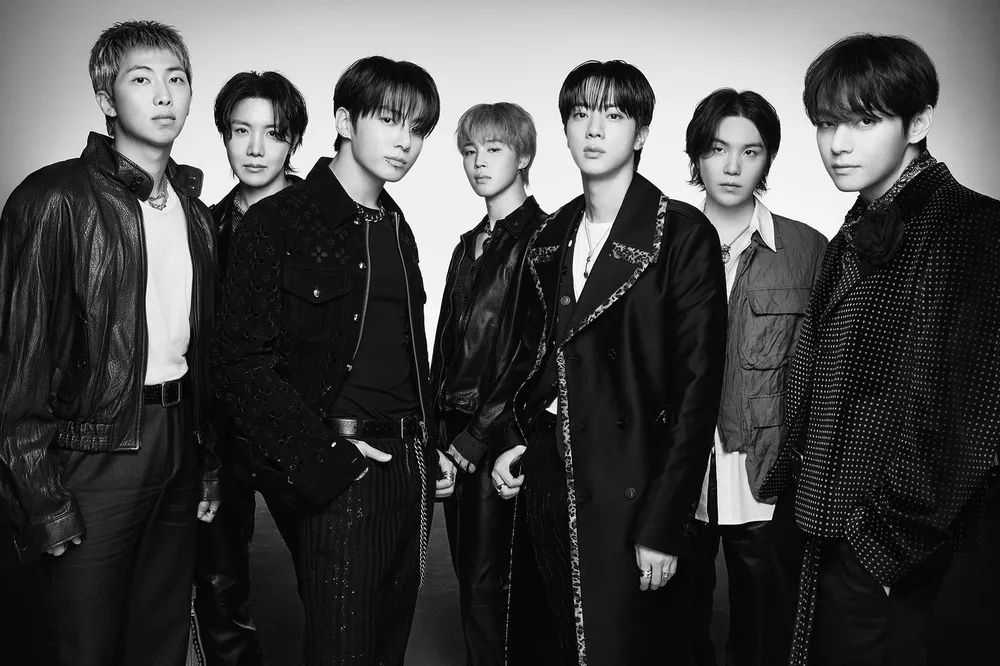
Howard University BTS backlash is putting fresh attention on a long-overlooked piece of Korean American history, while also reopening a bigger debate about representation and the Black creative roots that helped shape modern K-pop. What started with a teaser for BTS’s upcoming project Arirang has now turned into a wider conversation about who gets centered when global pop culture reaches back into the past.
Howard University BTS backlash puts history under the spotlight
Howard University has found itself in the middle of the global K-pop conversation after online criticism tied to BTS’s new teaser. The video aimed to honor a historic link between Korea and the university, but viewers quickly took issue with how Howard’s campus was portrayed. The biggest complaint was the absence of Black students in scenes tied to an HBCU, which led many people to question both the representation and the framing of the story.
That criticism pushed Howard to add more context instead of treating the moment like a simple PR problem. The university pointed to its long history as a meeting point for cultures and ideas, including its connection to Korean students who arrived on campus in 1896 during a period of political instability in Korea. Their presence became part of campus life, and one cultural performance drew enough attention to help create some of the earliest known recordings of Korean music in the United States.
How Black artistry and Korean history meet in K-pop
One of the most important details in this debate is the song “Arirang” itself. The recording connected to those early Korean students still exists in the Library of Congress, making it one of the earliest documented examples of Korean voices preserved in the US. That history is part of what BTS appeared to be reaching for in the teaser, tying a global act back to a much older cultural story.
But the backlash also pulled another issue back into view. Howard and others used the moment to stress that K-pop did not grow in isolation. Its sound, performance style, and visual language have long drawn from Black music and Black artistry, especially hip-hop and R&B. That point has sat at the center of K-pop debates for years, and this teaser brought it back with force because people felt the imagery missed the full picture.
Now the story sits in a bigger space than one teaser clip. BTS helped trigger the conversation, but Howard’s response made clear that the real issue is not just historical reference. It is about acknowledgment, representation, and who gets left out when institutions and global stars try to tell layered cultural stories in a few polished scenes.


