



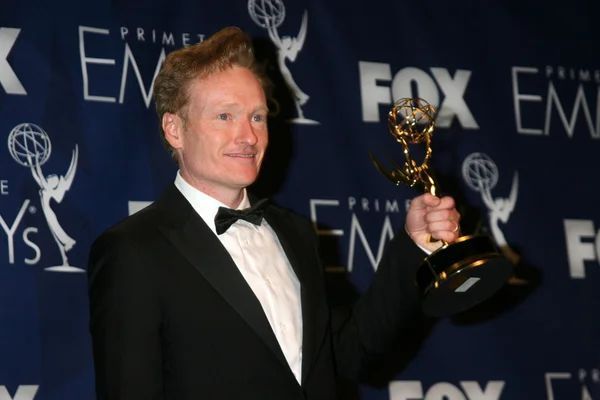
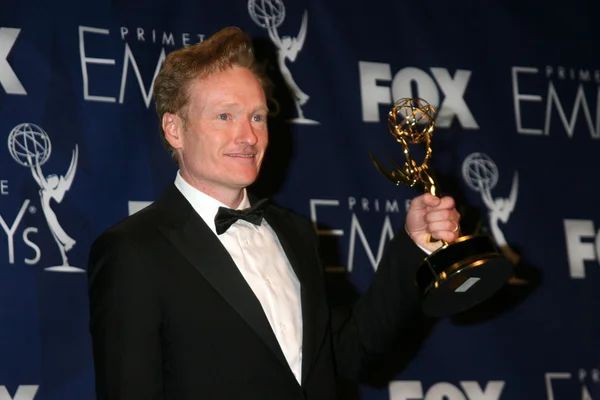
Conan O’Brien returned to the Oscars stage with a monologue that quickly proved he had little interest in playing it safe. Hosting the 98th Academy Awards at the Dolby Theatre, the veteran comedian delivered a fast-paced opening packed with sharp jabs at Hollywood, streaming giants, and even broader cultural tensions, despite earlier hints that he would avoid politics.
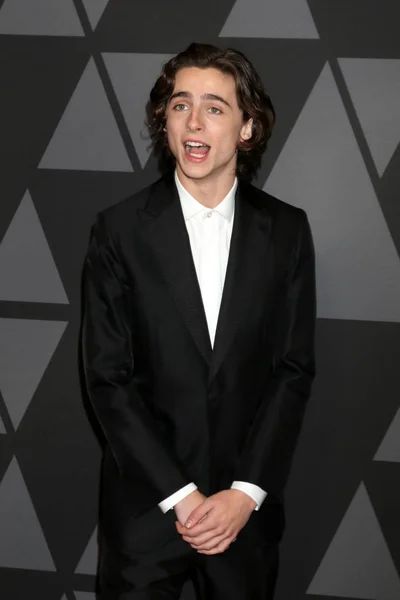
He opened with a familiar dose of self-deprecation, joking that he might be “the last human host” before technology takes over the ceremony. From there, O’Brien wasted no time diving into industry humor, poking fun at heightened security, celebrity controversies, and even the venue itself. His remarks about Timothée Chalamet’s recent headlines and Sean Penn’s on-set story drew quick reactions from the crowd, setting the tone for a night that leaned more edgy than expected.
O’Brien also aimed at the evolving entertainment landscape, taking shots at Netflix CEO Ted Sarandos and the broader streaming industry. He joked about executives experiencing theaters for the first time, framing the ongoing tension between traditional cinema and streaming platforms in a way that resonated with the room. At the same time, he slipped in commentary about awards culture, teasing both nominees and the Academy itself with his signature irreverence.
Some of the biggest laughs came from his willingness to stretch into riskier territory. He referenced the American healthcare system, mocked alternative programming tied to political audiences, and even made a pointed remark about the lack of accountability in high-profile criminal cases. The monologue walked a fine line between comedy and commentary, often pushing beyond the lighter tone he had promised before the show.
Still, O’Brien balanced the sharper material with playful absurdity. He joked about film titles, invented fake sequels, and rebranded categories with offbeat humor that leaned into his classic late-night style. The mix of industry satire and unpredictable punchlines kept the audience engaged, even when the material veered into more uncomfortable territory.
Toward the end of his opening, O’Brien shifted gears. Addressing the global audience, he acknowledged the uncertainty facing the world and emphasized the unifying power of film. He highlighted the international scope of the Oscars, noting the collaboration behind each project and framing the ceremony as a rare moment of shared creativity and optimism.
The monologue ultimately reflected O’Brien’s long-standing approach to comedy: a blend of sharp observation, unpredictability, and occasional risk. While he may have promised restraint ahead of the ceremony, his performance showed he was willing to push boundaries, delivering an opening that stood out as one of the more talked-about moments of the night.