




For many fans of entertainment, the 1990s stand out as a golden age when movies, music and pop culture reached a rare peak of creativity and influence. From record-breaking blockbusters to era-defining albums, the decade produced cultural moments that still shape entertainment today.
One reason the 1990s still loom large is the sheer scale of its blockbuster films. James Cameron’s Titanic (1997) became the biggest movie of the decade, earning about $1.84 billion worldwide in its initial run and becoming the first film in history to pass the $1 billion mark. The movie turned Leonardo DiCaprio and Kate Winslet into global stars and dominated the 1998 Academy Awards with 11 wins. The decade also delivered groundbreaking hits such as Jurassic Park (1993), Independence Day (1996), Saving Private Ryan (1998), and The Matrix (1999), each of which pushed technological or storytelling boundaries.

The 1990s were also the era when modern blockbuster filmmaking truly took shape. Steven Spielberg’s Jurassic Park revolutionized visual effects with realistic computer-generated dinosaurs, while Pixar’s Toy Story (1995) became the first fully computer-animated feature film, marking a turning point for the animation industry. These innovations laid the foundation for the CGI-driven film industry audiences see today.
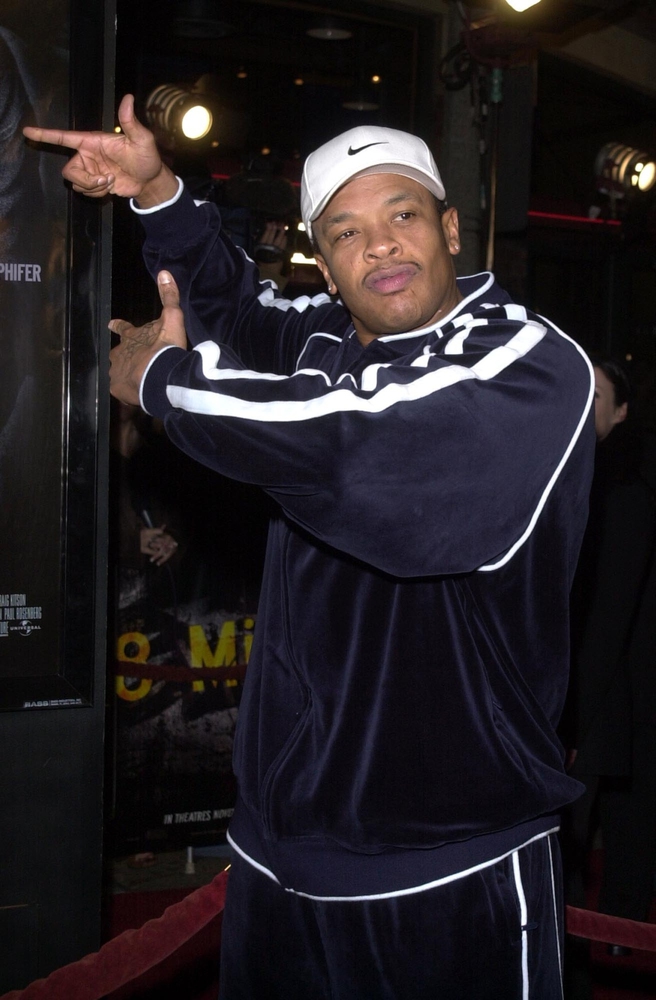
Music during the decade was just as influential. The 1990s saw the rise of multiple major genres at the same time, including grunge, hip-hop, teen pop and alternative rock. Bands like Nirvana and Pearl Jam turned Seattle’s grunge movement into a global phenomenon, while hip-hop entered what many critics consider its golden era with artists such as Tupac Shakur, The Notorious B.I.G. and Dr. Dre dominating the charts.
Album sales numbers from the decade show how powerful the music industry was at the time. Whitney Houston’s The Bodyguard soundtrack sold around 45 million copies worldwide, making it one of the best-selling albums ever released. Other massive records included Backstreet Boys’ Millennium and Shania Twain’s Come On Over, which each sold roughly 40 million copies globally, while Alanis Morissette’s Jagged Little Pill moved about 33 million copies. These figures reflect a period when CDs dominated and artists regularly sold tens of millions of records.
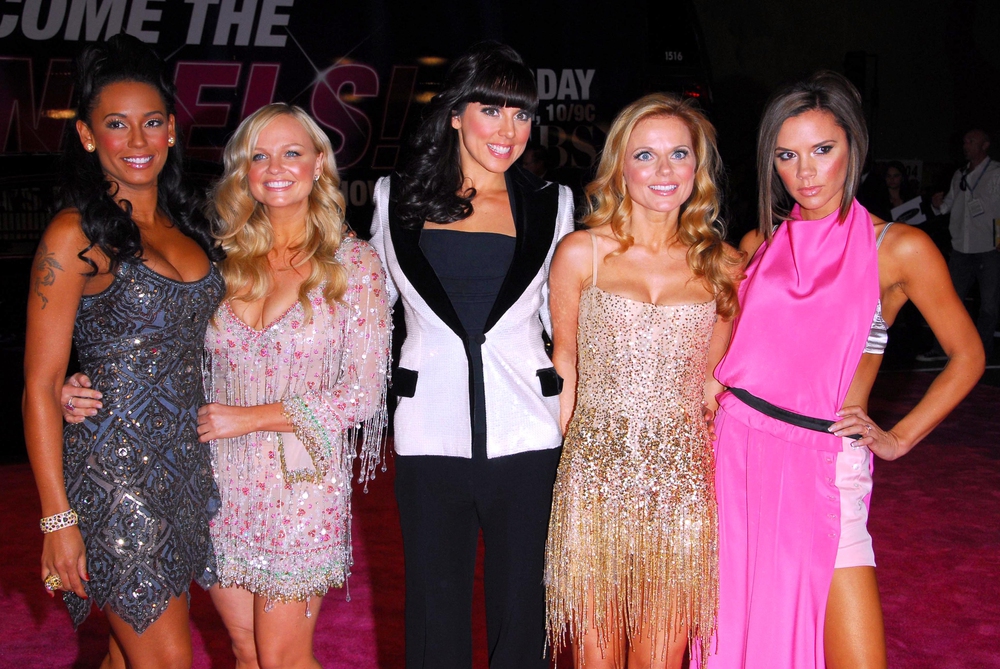
Pop culture icons also emerged during this time and remain influential today. The Spice Girls became a global phenomenon with “Wannabe,” while Britney Spears launched her career with the 1999 hit “…Baby One More Time,” which helped define the late-90s pop explosion. Meanwhile, artists like Mariah Carey, Madonna and Michael Jackson continued to dominate charts worldwide.
The 1990s were also a defining decade for soundtracks, which often became cultural events themselves. The soundtrack for Titanic sold more than 30 million copies, while The Bodyguard soundtrack became the best-selling movie soundtrack of all time. These albums blurred the line between cinema and music, turning movie songs into global chart hits.
Another reason the decade stands out is the cultural staying power of its films and music. Movies like Pulp Fiction, The Sixth Sense and Good Will Hunting are still widely referenced in modern filmmaking, while albums such as Nirvana’s Nevermind and Radiohead’s OK Computer reshaped the sound of alternative music and influenced generations of artists.

Even fashion and youth culture were shaped by entertainment during this era. The flannel shirts and rebellious attitude of the grunge scene became a defining style of the decade, while boy bands and pop stars influenced trends worldwide.
Looking back, the 1990s represented a rare convergence of creativity, technological innovation and global pop culture influence. Hollywood delivered some of the most iconic films ever made, while the music industry produced artists and albums that sold tens of millions of copies and defined a generation.
Decades later, many of those songs are still played on radio stations and streaming playlists, while the movies continue to inspire filmmakers and audiences. That lasting cultural impact is why many fans still consider the 1990s not just another decade in entertainment history, but the era when pop culture truly reached its peak.