


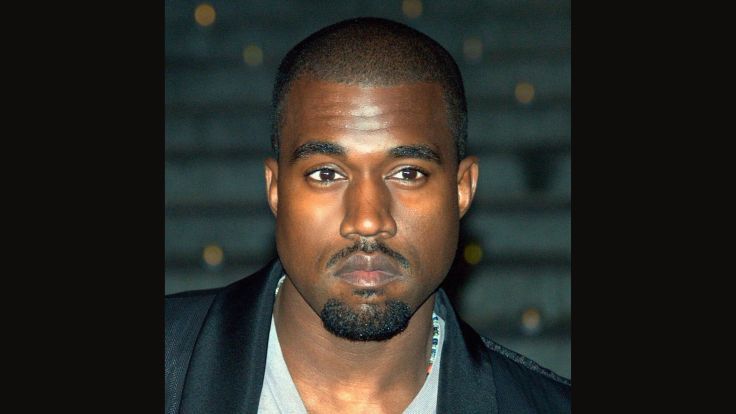
Kanye West, now known as Ye, is once again asking for forgiveness, but many aren’t convinced. The rapper has issued a high-profile apology just days before the release of his new album, reigniting debate over whether his remorse is genuine or strategically timed.
On January 26, Ye took out a full-page ad in The Wall Street Journal titled “To Those I’ve Hurt,” in which he expressed regret for years of antisemitic remarks. In the letter, he attributed his behavior to an undiagnosed brain injury from a 2002 car crash and untreated bipolar disorder. He insisted he is neither a Nazi nor an antisemite and said he holds love and respect for Jewish people.
The apology quickly drew attention for its timing. Ye’s twelfth studio album, BULLY, is scheduled for release on January 30, prompting widespread speculation online that the letter was part of a calculated rollout. Social media users and critics were quick to note that this is not the first time Ye has apologized shortly before releasing new music.
Skepticism has been fueled by his recent history. In late 2023, Ye issued an apology for antisemitic comments, only to later retract it. In the months that followed, he publicly praised Adolf Hitler, referred to himself as a Nazi, and sold swastika-themed merchandise. One of his songs even led to bans and legal scrutiny abroad. For many observers, the pattern has made it difficult to take his latest statement at face value.
In interviews promoting the album, Ye has pushed back against accusations that the apology was tied to marketing. He argued that his commercial success does not depend on public contrition, citing his continued dominance on streaming platforms and the enduring popularity of his earlier work. He claimed the guilt behind the letter had been building for months and said he wants to move forward as someone who promotes love rather than division.
Experts remain unconvinced. Scholars who study antisemitism have pointed out that bipolar disorder alone does not explain years of consistent hateful rhetoric. They argue that rebuilding trust will require sustained behavioral change rather than a single public statement, regardless of how prominently it is published.
The fallout from Ye’s controversies has been severe. Major brand partnerships have collapsed, his management team has distanced itself, and his social media presence has faced repeated restrictions. Former employees have also filed lawsuits alleging misconduct, further complicating his efforts to rehabilitate his public image.
In the Wall Street Journal letter, Ye revisited the 2002 car crash that inspired Through the Wire, saying he now believes it also caused frontal lobe damage that contributed to extreme manic behavior in recent years. He credited therapy, medication, and time in a rehabilitation facility with helping him stabilize, with encouragement from his wife, Bianca Censori.
Public reaction remains deeply divided. Some fans argue that mental illness should be taken seriously and hope this apology marks a turning point. Others see it as yet another chapter in a cycle of regret followed by relapse. As BULLY arrives, many are watching closely to see whether Ye’s actions finally align with his words.