


Chris Pratt likely didn’t expect to ignite a full-blown online firestorm, but a few offhand words during a red carpet interview quickly turned into one of Hollywood’s most heated debates about artificial intelligence, misogyny, and celebrity accountability.
The moment unfolded on January 20, 2026, at the New York premiere of Mercy, an AI-themed thriller starring Pratt alongside Rebecca Ferguson. While speaking with Variety, Pratt was asked whether artificial intelligence could realistically replace human actors. His response was blunt, dismissive, and instantly polarizing.
Referring to AI-generated performer Tilly Norwood, Pratt brushed off the hype surrounding synthetic actors and questioned their legitimacy. He said he had heard about Norwood but hadn’t seen her in any real films, adding that he didn’t know who the “b*tch” was and calling the entire concept fake until it became something tangible. While he acknowledged that AI could be a powerful tool, he insisted it could never replicate real human emotion, suffering, or the creative instinct that drives meaningful art.
Within hours, the clip was everywhere, and the conversation shifted away from AI’s role in Hollywood to the language Pratt used to make his point.
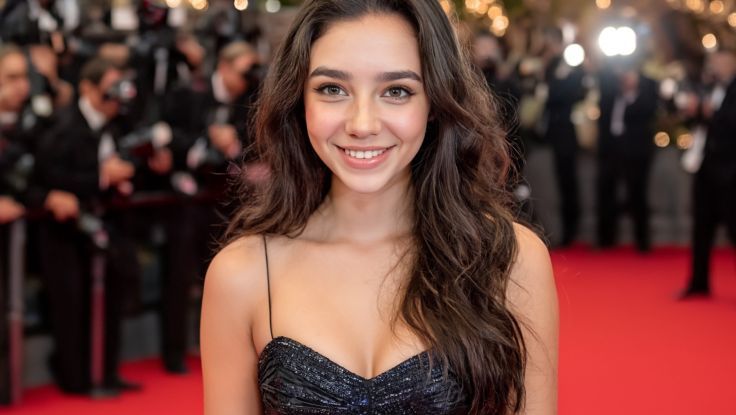
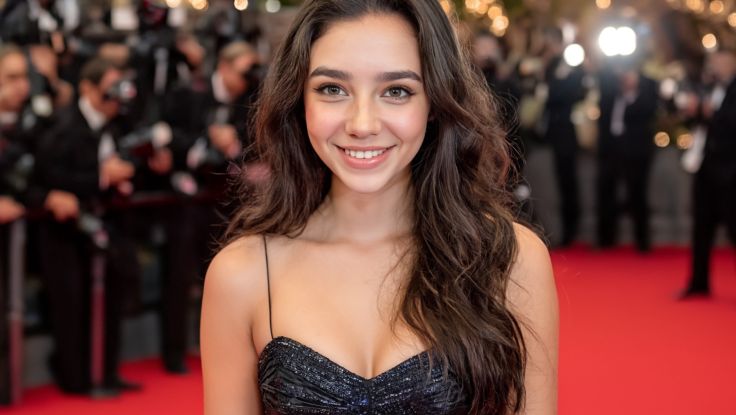
Tilly Norwood, the subject of the controversy, is not a human actress. She is an AI-generated character introduced in 2025 by Xicoia, the artificial intelligence arm of Particle6 Productions. The project was created by Dutch comedian and producer Eline Van der Velden as an experiment in synthetic performance. Tilly first appeared in a comedy sketch titled AI Commissioner and has since been promoted as a proof-of-concept rather than a working replacement for actors.
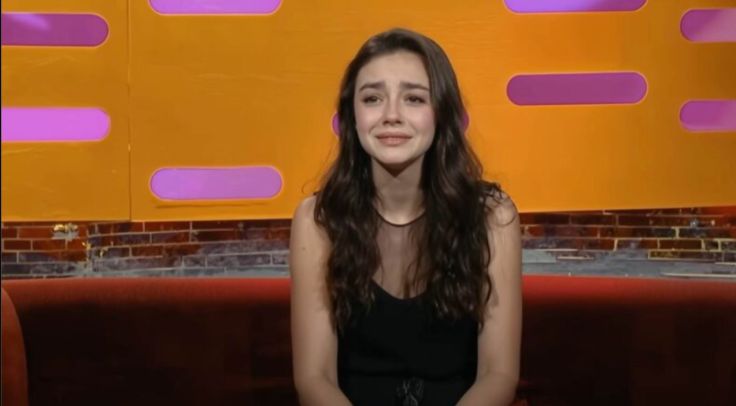
Despite that clarification, marketing language calling Norwood “the world’s first AI actress” has sparked criticism from industry organizations. SAG-AFTRA and other groups have warned that such framing risks undermining the value of human performers. Tilly has no traditional acting credits and exists primarily through social media content, short-form videos, and tech demonstrations.
Many viewers agreed with Pratt’s broader skepticism about AI in entertainment, noting that similar concerns have been voiced by stars like Leonardo DiCaprio and Emily Blunt. But his choice of words became the focal point. Critics argued that using a gendered slur, even toward a fictional, female-presenting entity, reinforced casual misogyny. Social media users questioned why such language came so easily and accused the actor of revealing deeper attitudes through his phrasing.
Others rushed to Pratt’s defense, saying the insult was aimed at software, not women, and reflected frustration with what they see as exaggerated fears about AI overtaking Hollywood. Some praised him for bluntly pushing back against sensational headlines and defending the irreplaceable value of human performance.
The controversy also reopened older criticisms tied to Pratt’s past. Over the years, the actor has faced backlash over his political associations, ties to Hillsong Church, and remarks that some have labeled tone-deaf. Although Pratt has consistently said he opposes discrimination and avoids political labels, debates around his public persona tend to resurface quickly.
Now, his comments about Tilly Norwood have reignited questions about where the line should be drawn when criticizing artificial intelligence—and whether language matters even when the target isn’t human. The debate shows no signs of slowing down, as fans and critics continue to argue over whether Pratt crossed a line or simply said what others were thinking.