



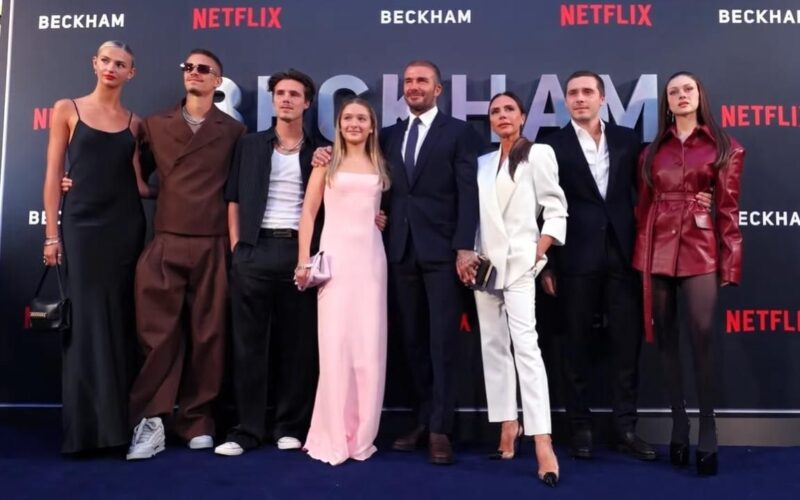
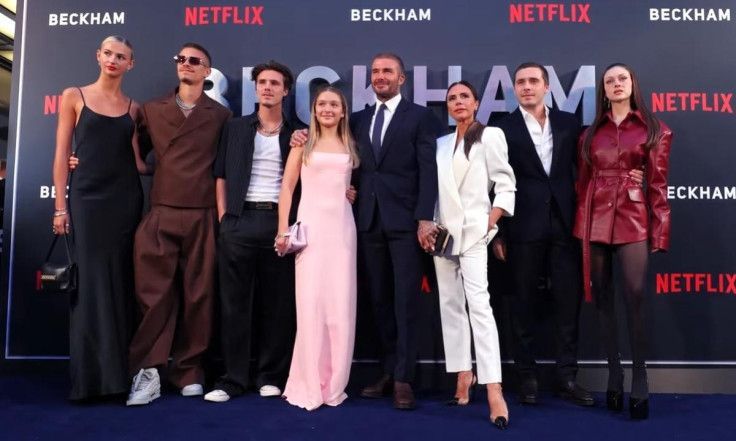
The Beckham family drama has reached a new level after Brooklyn Beckham publicly addressed his strained relationship with his famous parents, David and Victoria Beckham. What may have once been whispered about through subtle social media moves and missed appearances is now playing out loudly online, fueling intense backlash and debate across TikTok, X, and other platforms.
Brooklyn’s statement framed the rift as a deeply personal decision rooted in emotional health and a desire for independence. He pushed back against claims that his wife, Nicola Peltz, controls him, instead suggesting that years of family pressure left him anxious and unhappy. According to Brooklyn, stepping away from his parents has brought him peace, and reconciliation is no longer something he’s actively seeking.
By speaking out so directly, Brooklyn shifted what had been a largely private family matter into full public view. The fallout has turned the dispute into a generational clash unfolding under relentless scrutiny, blurring the line between genuine emotional struggle and celebrity spectacle.
Old tensions surrounding Brooklyn and Nicola’s 2022 wedding have quickly resurfaced as a major flashpoint. Past reports hinted at disagreements involving wedding planning, attire, and key ceremonial moments, though all sides downplayed them at the time. Brooklyn’s recent comments have reopened those wounds, reigniting questions about boundaries, control, and whether the wedding exposed deeper family fractures.
As the story spread, social media reaction turned brutal. TikTok creators and commentators flooded feeds with hot takes, many labeling Brooklyn an “ungrateful nepo baby” and arguing that his career and platform are inseparable from the Beckham name. Viral clips framed his comments as tone-deaf, suggesting that his privilege shields him from real consequences.
While these reactions are largely opinion-based, their reach has significantly shaped public perception. The repeated use of the term “nepo baby” reflects broader online frustration with celebrity dynasties rather than any new factual revelations about Brooklyn’s career.
Some commentators have even drawn comparisons to other high-profile family estrangements, including royal rifts, though those parallels come from social media narratives rather than statements by the Beckhams themselves. Cultural observers note that such comparisons often emerge when private family conflicts collide with global fame, flattening complex dynamics into familiar pop-culture storylines.
David and Victoria Beckham have largely remained silent in response to Brooklyn’s remarks. David has previously spoken in general terms about parenting and allowing children to learn from mistakes, but neither parent has directly addressed their son’s claims. That silence has only fueled speculation, with some interpreting it as an attempt to de-escalate and others seeing it as quiet disapproval.
At the heart of the backlash is a larger debate about privilege and accountability. Critics argue that Brooklyn’s ability to publicly distance himself from his family without material risk underscores the very entitlement he denies. Supporters counter that wealth doesn’t cancel emotional pain and that autonomy matters regardless of background.
What makes this feud especially striking is how visible it has become. The Beckham family has long maintained a tightly controlled, polished public image, and Brooklyn’s candid approach marks a sharp departure from that tradition. As the situation continues to unfold, it’s unclear whether reconciliation is possible. What is clear is that one of the world’s most famous families is now confronting a very public fracture—one that has sparked fierce debate about fame, family, and sympathy in the social media age.