



A shocking new documentary is making explosive claims about the events that allegedly led to the brutal killing of filmmaker Rob Reiner and his wife, Michele Reiner, pointing to a medication change involving their son, Nick Reiner, as a critical turning point. According to the film, concerns over weight gain and a subsequent switch in Nick’s schizophrenia medication may have played a role in a tragic and devastating chain of events.
The allegations are laid out in a new TMZ documentary titled The Reiner Murders: What Really Happened, which claims Nick’s behavior became increasingly volatile after his medication was altered. Sources featured in the program allege the change intensified his aggression and instability, leaving his parents deeply worried but unsure how to step in. The documentary further claims that medical professionals declined to place Nick on a temporary psychiatric hold, a decision that some now believe could have helped prevent what followed.
Authorities reportedly discovered Rob Reiner, 78, and Michele Reiner, 70, fatally stabbed inside their Los Angeles home on December 14. The alleged murders sent shockwaves through Hollywood, given Rob Reiner’s towering legacy as the director behind classics like When Harry Met Sally, The Princess Bride, and A Few Good Men. Michele Reiner was also a respected figure in the industry, having co-founded Castle Rock Entertainment alongside her husband.
The documentary suggests warning signs emerged shortly before the killings, including a heated argument between Rob and Nick at a party the night before. That confrontation is now being framed as a chilling precursor to the violence that allegedly followed.
TMZ’s report focuses heavily on the dangers of medication changes for individuals living with schizophrenia. Nick is said to have raised concerns with doctors about weight gain, a known side effect of certain antipsychotic medications. After his prescription was reportedly adjusted, insiders claim his mental state worsened rather than improved. The film alleges that in the month leading up to the killings, Nick’s behavior became “alarming,” even while he was under psychiatric care at a Los Angeles rehab facility.
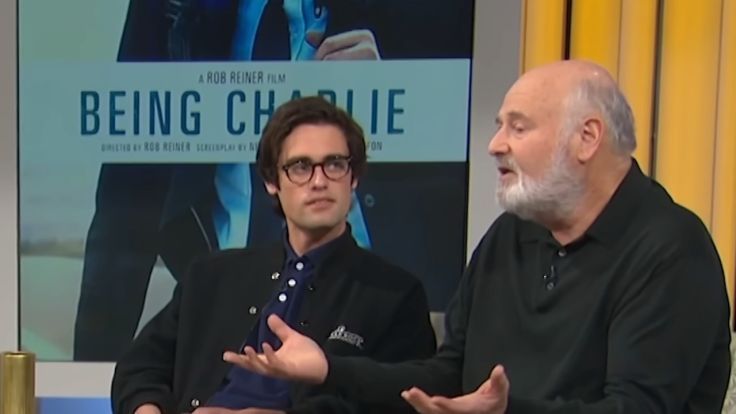
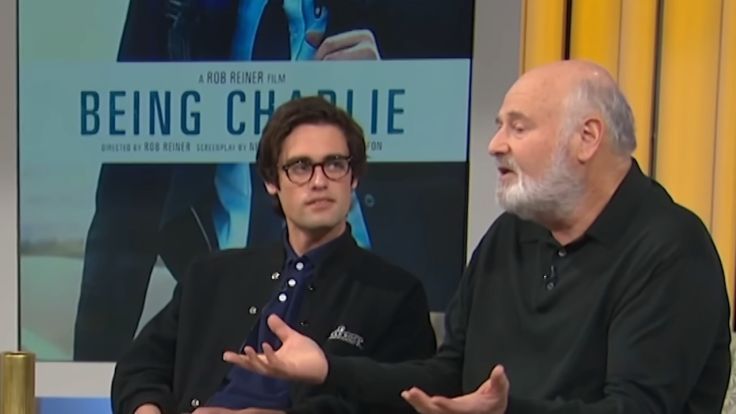
Nick Reiner’s struggles have long been public. In a candid 2016 interview, he spoke openly about years of addiction and periods of homelessness after resisting his parents’ attempts to get him into rehab. He described living on the streets across multiple states and enduring what he called some of the darkest years of his life. Those experiences later inspired Being Charlie, a semi-autobiographical film he co-wrote and that was directed by his father.
In the interview, Nick reflected on how those years shaped him, describing both the chaos and the slow process of rebuilding his life while reconnecting with his family in Los Angeles. The documentary now reframes that history as part of a much darker narrative, suggesting unresolved mental health struggles continued to escalate.
All claims made in the film remain allegations, and the case continues to draw intense scrutiny. Still, the documentary has reignited difficult conversations about mental illness, medication management, and how families navigate crises behind closed doors. For many viewers, the story represents not just a Hollywood tragedy, but a stark reminder of how quickly untreated or destabilized mental health conditions can spiral with irreversible consequences.