



Bianca Censori’s latest art exhibition has sent shockwaves through the art world and beyond, raising questions about whether her avant-garde vision is a daring act of expression or something far more disturbing.
The 29-year-old architect-turned-artist—and wife of rapper Kanye West—debuted her first major solo show, Bio Pop, in Seoul last week, and the reaction was instant chaos. The installation featured female bodies twisted into furniture: chairs, tables, and domestic fixtures where women’s limbs became legs, backs, and tabletops. The imagery was stark, eerie, and deeply uncomfortable.
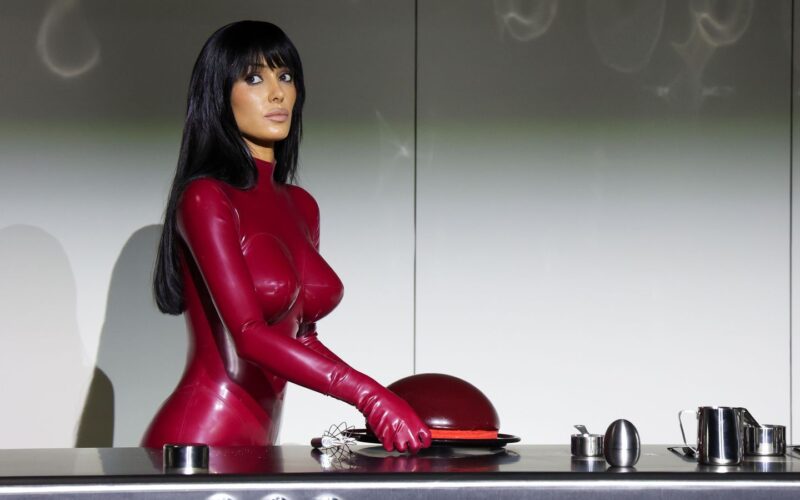
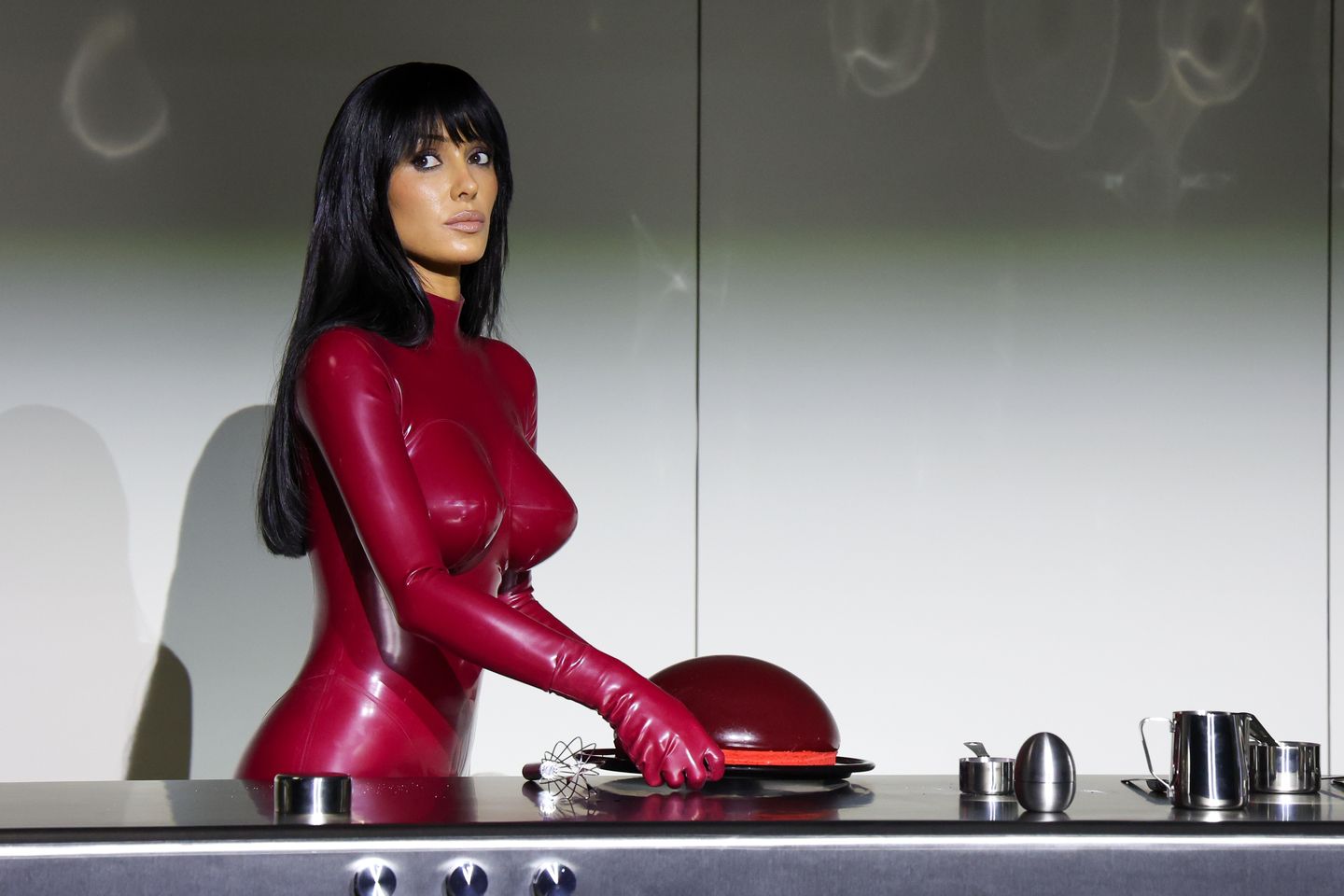
Censori, dressed in a bright red latex catsuit, performed silently for just over 11 minutes before the show was abruptly cut short. In front of a stunned audience, she mimed baking a cake, then placed it on a “table” formed by motionless, nude female figures. The symbolism was impossible to miss—ritualized domestic service turned into performance art, comfort turned into captivity.
Her website describes the piece as an exploration of how living spaces “mold the body and spirit,” reframing domestic labor as a kind of spectacle. “The cake,” the statement reads, “is not nourishment but an offering.” But while the words aimed for intellectual depth, many in attendance said the performance carried an emotional darkness that couldn’t be ignored.
One attendee told reporters it felt like watching “a coded cry for help.” Another described it as “a portrait of confinement disguised as art.” The unsettling reaction has only fueled ongoing speculation about Censori’s marriage to West, with persistent rumors that he controls her public image, her clothing, and even her speech.
Kanye was in the audience for the Seoul premiere, wearing black and watching silently as his wife performed. He reportedly composed the orchestral score that played throughout, creating an almost cinematic tension as Bianca acted out her silent domestic loop. The result felt hauntingly personal—an echo of her private life projected into performance.
Behind the spectacle, some saw something more intimate: a woman confronting her own captivity. Art insiders described the piece as “painfully self-referential,” suggesting Censori’s own experiences might have bled into the work. “It’s impossible not to think of her relationship,” one source said. “The themes of control and confinement are too on-the-nose to ignore.”
Censori’s website adds to the unease, declaring that “positions learned in private are worn in public,” and that the home “molds the body into compliance.” She explains that each piece of furniture “turns comfort into confinement”—a line that now reads less like a metaphor and more like a confession.
Bio Pop is just the first in a planned seven-year series of installations with titles like Confessional (The Witness) and Bianca Is My Doll Baby (The Idol), promising even deeper dives into themes of objectification and identity. But after the Seoul debut, fans and critics alike are asking a more urgent question: is this performance art, or a warning signal?
As the conversation around her work grows louder, one thing is clear—Bianca Censori’s art has become a mirror of her marriage, reflecting both creative ambition and the troubling perception of control that surrounds her. Whether Bio Pop is empowerment or entrapment may depend entirely on who’s watching—but either way, it’s impossible to look away.