




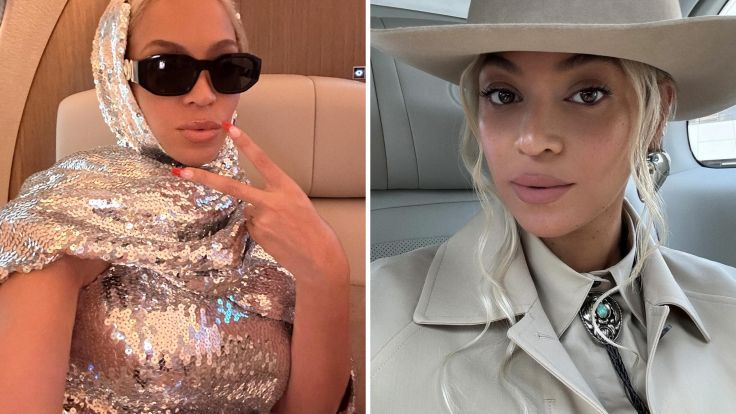
Beyoncé may have officially hit billionaire status, but her celebration has quickly turned sour amid a wave of outrage over alleged labor exploitation tied to her Ivy Park clothing line.
Reports resurfaced claiming that factory workers in Sri Lanka—many of them young women—were earning as little as $0.50 an hour while producing Ivy Park apparel, a brand Beyoncé once co-owned with Topshop and later partnered with Adidas. The alleged pay of roughly $5 per day has reignited debates about the ethics of celebrity wealth and the fashion industry’s reliance on cheap labor.
The Business and Human Rights Centre has previously reported that employees at Sri Lanka’s MAS Holdings factory endured 10-hour workdays and strict dormitory curfews, with some reportedly afraid to speak out for fear of losing their jobs. Activists have accused the brand of hypocrisy, contrasting Ivy Park’s image of female empowerment with the working conditions of its garment workers.
In response, Ivy Park has denied any wrongdoing, asserting that it enforces a “rigorous ethical trading program” with regular audits and supplier inspections. The company insists that all partners must follow a strict code of conduct and labor compliance standards.
Still, social media has exploded with criticism, with many calling Beyoncé’s billionaire milestone “tainted.” One viral tweet accused her of profiting off sweatshop labor while preaching empowerment, labeling her “the most unethical musician ever.” Others pointed to her and Jay-Z’s reported carbon footprint and accusations of copying music, claiming her fortune symbolizes broader issues of unchecked celebrity capitalism.
However, some fans and commentators defended the singer, arguing that she’s being unfairly singled out. They pointed out that Ivy Park’s production is largely handled by Adidas and that the line’s earlier partnerships had already ended. “You’re blaming one Black woman for an entire industry built on exploitation,” one user posted, noting that most global fashion brands rely on similar low-wage labor.
Critics, meanwhile, see the controversy as a reflection of a much larger problem: the idea that becoming a billionaire within global capitalism almost inevitably involves ethical compromises. As one user put it, “There’s no such thing as an ethical billionaire—whether it’s Beyoncé, Taylor Swift, or The Weeknd, the system itself is built on exploitation.”
For now, Beyoncé has not publicly addressed the backlash. But as the online debate rages on, her rise to billionaire status has become more than a milestone—it’s become a mirror for uncomfortable questions about power, privilege, and the price of success.