

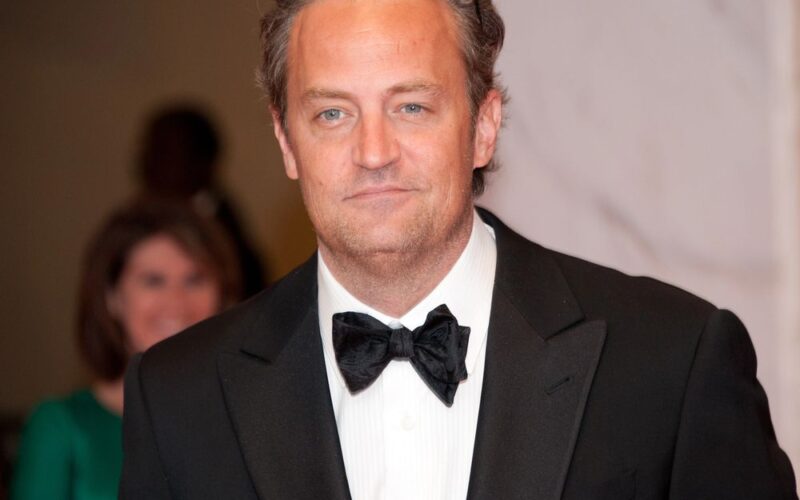
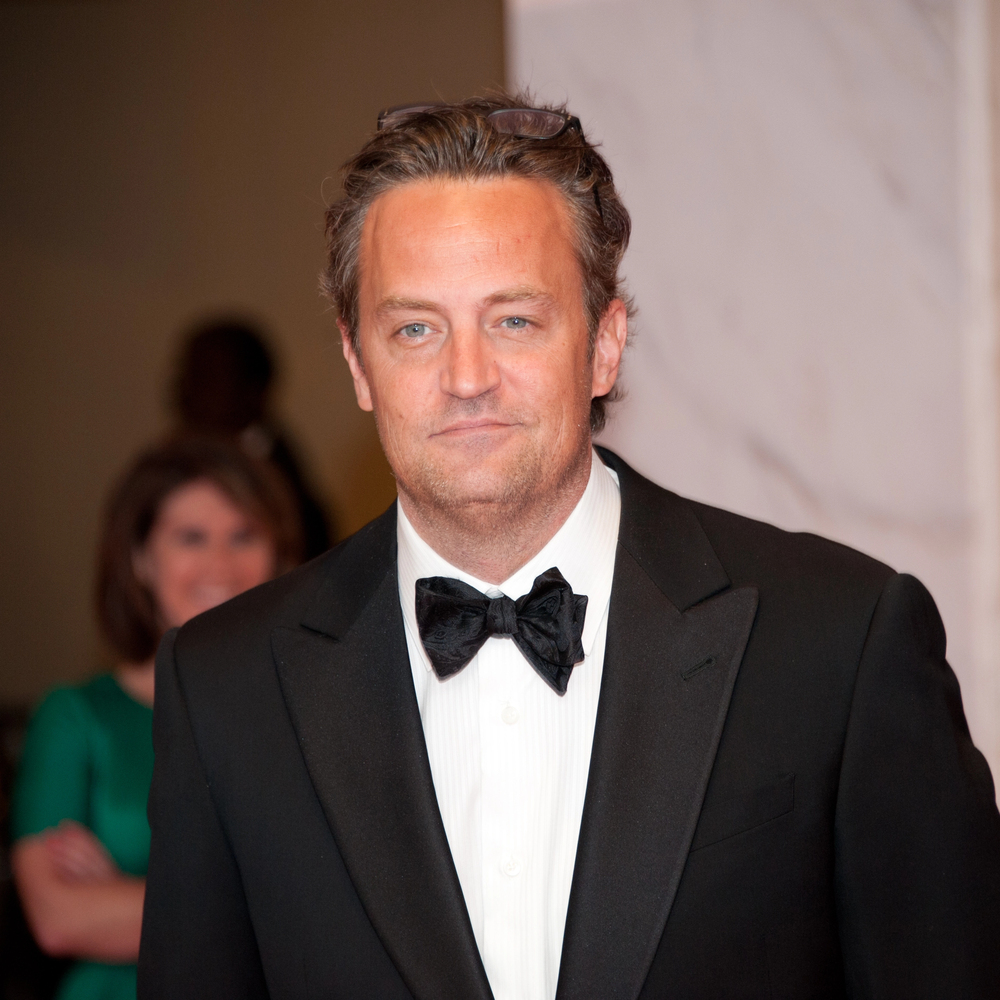
Matthew Perry’s death case has taken an even darker turn as prosecutors continue to detail how the actor’s trusted inner circle became part of the drug chain around him. The most wrenching allegation centers on Kenneth Iwamasa, Perry’s live-in assistant, who pleaded guilty in 2024 to conspiracy to distribute ketamine causing death. Federal prosecutors say Perry, who was found dead on October 28, 2023, had obtained ketamine outside his legal treatment through a network that included doctors, dealers and intermediaries. For readers following the Matthew Perry case, the newest developments make the tragedy feel less like a celebrity overdose story and more like a catastrophic collapse of care, trust and judgment.
Matthew Perry Case Shifts to the Inner Circle
What makes this case so unsettling is how close the alleged conduct was to Perry’s daily life. According to the Justice Department, Iwamasa admitted that he injected Perry with ketamine multiple times, including several injections on the day Perry died. Prosecutors say Perry had sought more ketamine than his regular doctor would provide, which opened the door to a wider network willing to profit from that demand. That moved the case beyond supply questions and straight into the people Perry trusted most.
The “Ketamine Queen” Sentencing
The highest-profile sentence so far has gone to Jasveen Sangha, the North Hollywood dealer prosecutors labeled the “Ketamine Queen.” Last week, a federal judge sentenced her to 15 years in prison after she pleaded guilty to federal drug charges, including distribution of ketamine resulting in death. Prosecutors said Sangha ran a drug operation that served high-end clients and sold the ketamine linked to Perry’s fatal overdose. That sentence gave the case a new jolt because it underscored how much of this was driven by profit.
The doctors tied to the case have also already been sentenced. Dr. Salvador Plasencia received 2 1/2 years in prison after pleading guilty to ketamine distribution charges, while Dr. Mark Chavez was sentenced to three years of probation, eight months of home detention and community service after pleading guilty to conspiracy to distribute ketamine. Authorities said Chavez supplied ketamine to Plasencia, who then sold it onward to Perry.
A Hollywood Tragedy With Wider Questions
Perry had spoken openly for years about addiction and recovery, which is part of what makes the case hit so hard. He was legally receiving ketamine therapy for depression, but court filings and plea agreements suggest the off-the-books supply around him grew into something far more dangerous. Prosecutors have argued that repeated access to ketamine, handed over by people who knew his history, created the conditions for disaster.
Two people close to the chain, Iwamasa and intermediary Erik Fleming, are still awaiting sentencing, according to the Justice Department. That means the legal story is not over, even as major parts of the network have already been punished. The assistant’s role remains especially painful because it cuts straight into the idea of who was supposed to be protecting Perry inside his own home.
In the end, this case keeps circling back to one brutal fact: Matthew Perry was not failed by a single stranger in a single moment. Prosecutors say he was surrounded by people who kept the drug flow moving even as the risk grew obvious. That is why each new court development lands with such force. It is not just about who sold the ketamine. It is about how many people let the danger keep getting closer.