



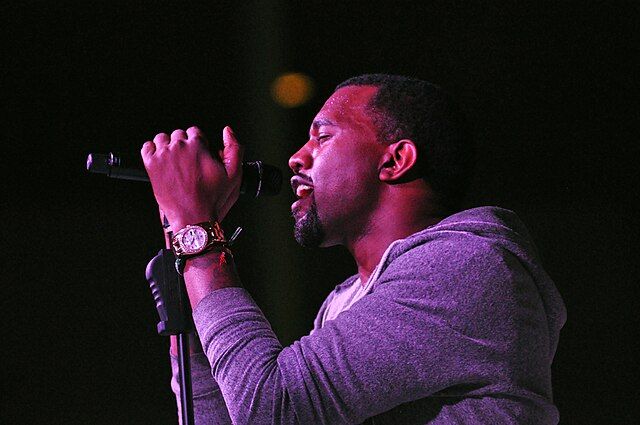
Kanye West’s Wireless fallout has gotten even bigger since the festival collapsed. What first looked like a UK-only booking disaster now looks more like a Europe-wide warning shot, with Ye also postponing his planned Marseille concert after French officials said they would move to block it. That new turn changes the whole angle. Wireless was not just a bad London bet. It was the first visible crack in a comeback that is now running into resistance across borders.
The London implosion still started the same way. Wireless booked Ye as its headline draw, then faced immediate backlash over his antisemitic remarks and pro-Nazi conduct. Sponsors began pulling support, with Pepsi and Diageo among the first publicly reported exits, while other coverage said brands including PayPal, Rockstar Energy, and Anheuser-Busch InBev also backed away as the pressure grew. Once the UK Home Office withdrew Ye’s ETA, the event lost both its headline act and the last realistic path to survival.
Kanye West Booking Backfires
Wireless did not just lose an artist. It lost the entire structure around the artist. Festival Republic’s own statement said the Home Office withdrew Ye’s ETA, denied him entry into the UK, and forced the cancellation, with refunds promised to all ticket holders. The company also said multiple stakeholders had been consulted before the booking and that no concerns had been raised at that stage. That line now reads less like reassurance and more like an admission that the organizers badly misread the risk.
That is what made the sponsor exodus so damaging. In the current festival business, once major brands start leaving in public, the booking stops looking bold and starts looking toxic. Pepsi and Diageo’s exits were early signals that the event’s commercial support was already weakening before the government made its move. By the time Ye was blocked from entering Britain, the festival was already looking exposed.
Europe’s Pushback Gets Bigger
The newer and more important twist is what happened next. France then became the next test case, with officials in Marseille and the French interior ministry pushing to stop Ye’s scheduled June concert. Rather than force that fight to a final ruling, Ye postponed the show. AP, The Guardian, People, and the Wall Street Journal all treated that as part of the same broader backlash now following him through Europe.
That makes the Wireless collapse look much less isolated than it did a week ago. It is no longer just a story about one British promoter getting burned by one controversial headliner. It is about governments, cities, brands, and event partners all deciding the same association may not be worth the blowback. That is a much bigger problem for any artist trying to reboot a live business.
The Industry Is Taking Notes
This is why the real aftershock may hit promoters harder than Ye himself. Wireless was one of the UK’s biggest music brands, and its collapse showed what happens when controversy reaches beyond social outrage and starts affecting entry approvals, sponsors, and insurance-risk thinking. The Guardian reported that the festival’s potential economic impact had been estimated at about £37 million, which gives a sense of how costly a failed booking can become once the whole event caves in around it.
And that is what makes this story stick. Ye did not just lose Wireless. He triggered a chain reaction that now stretches into France and has turned his European live return into a moving target. The old idea was that star power could outrun scandal. The newer evidence suggests that, at least right now, scandal is getting to the venue first.