



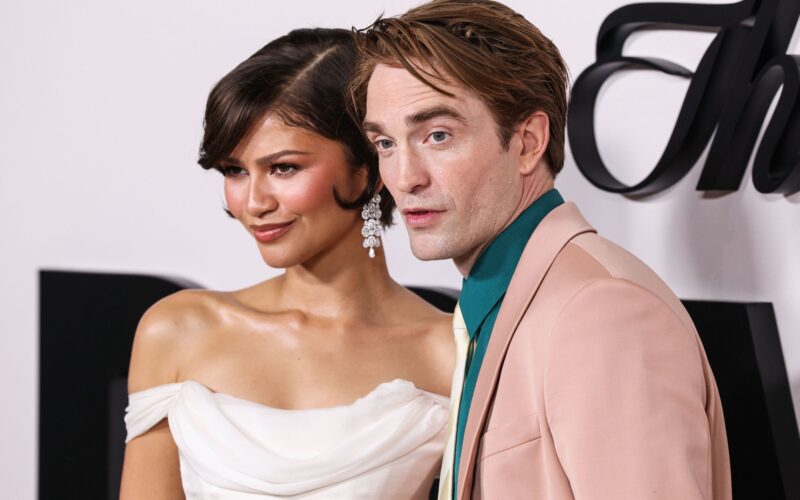
Robert Pattinson and Zendaya’s ‘The Drama’ was always going to get attention. What the movie is getting now is a much darker kind of scrutiny.
Before you read on, spoiler alert: This article contains major spoilers for ‘The Drama.’
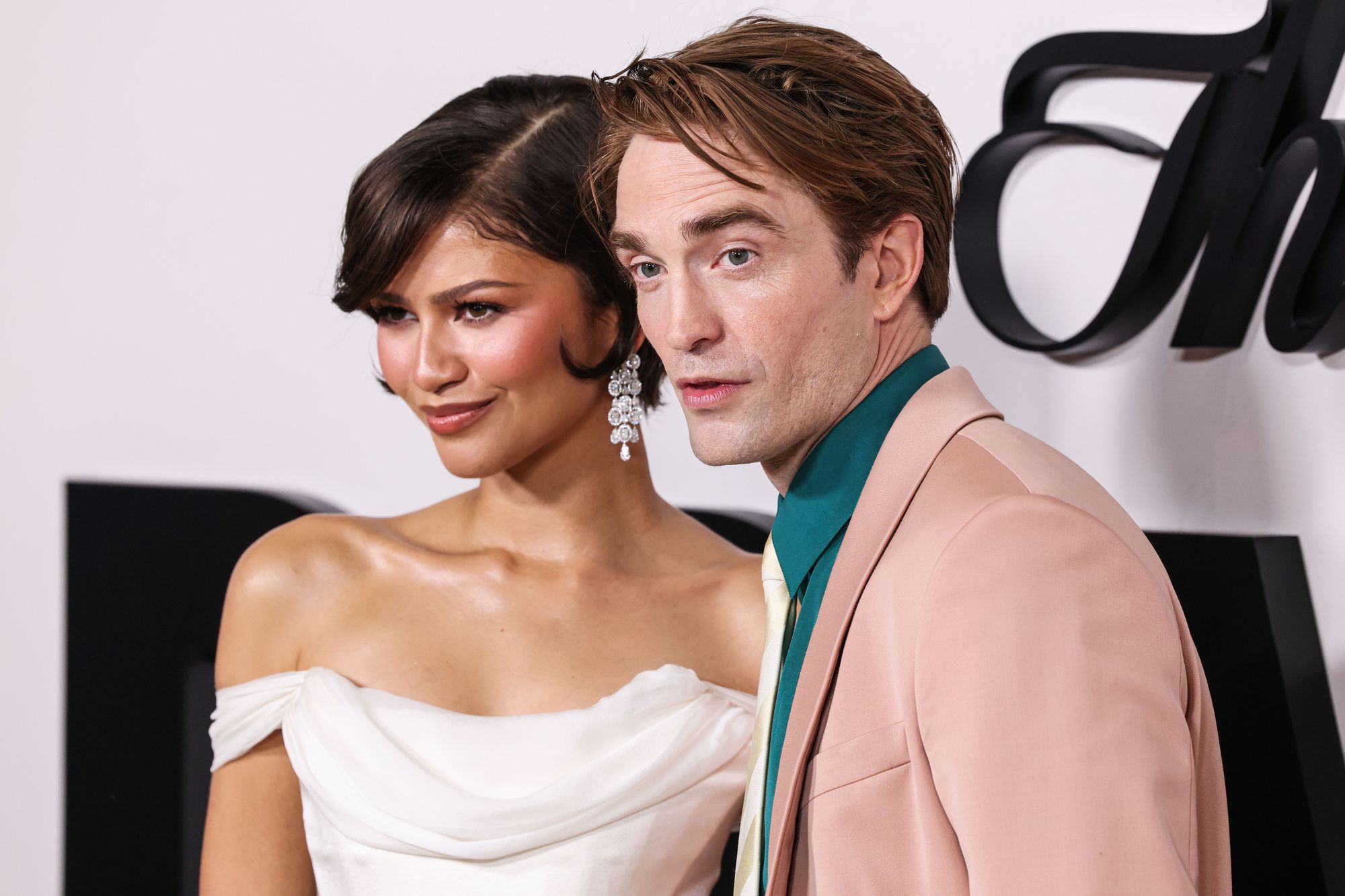
The film’s central twist, that Zendaya’s character once planned a school shooting and backed out, has sparked anger well before any larger critical consensus can settle in. And the backlash is not hard to understand. For many people, especially families who have actually lived through this kind of violence, using that subject as fuel for a romantic drama does not feel edgy or provocative. It feels grossly misjudged.
That reaction has only sharpened because this is not some abstract debate about tone. School shootings leave behind parents, classmates, teachers, empty bedrooms, and years of grief that do not end when the headlines fade. Turning that reality into a conversation-starting twist in a movie about a couple in crisis is exactly why some viewers are asking whether certain stories should be handled this way at all.
‘The Drama’ Backlash Is About More Than One Plot Twist
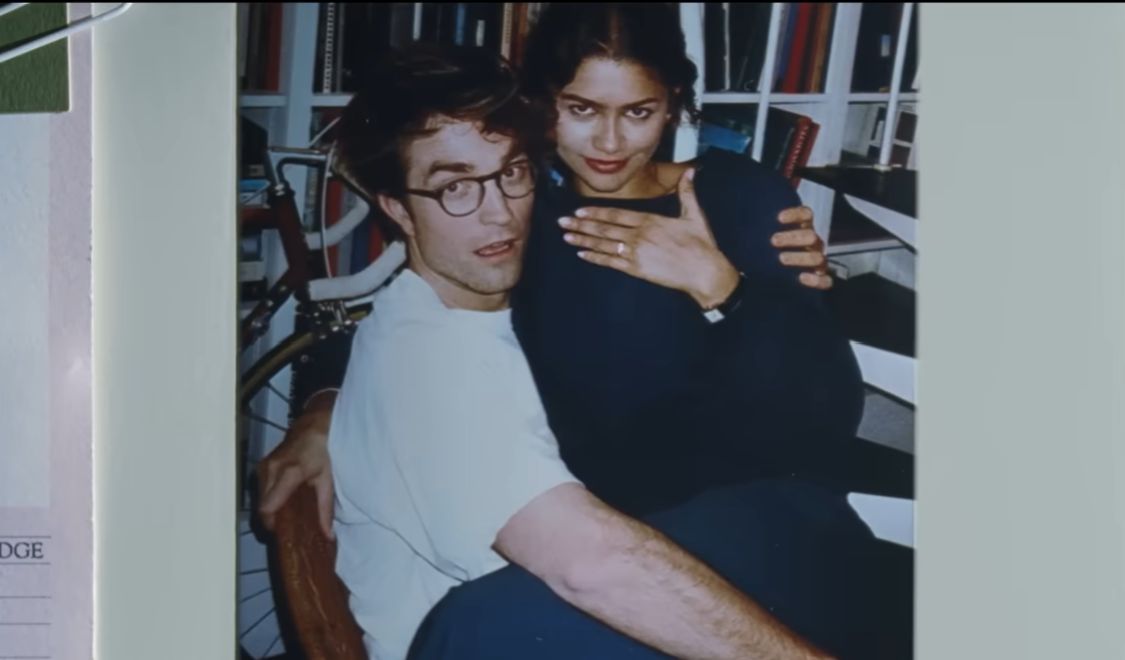
In ‘The Drama’, Charlie and Emma are a couple heading toward marriage when a party game blows everything up. Asked to reveal the worst thing they have ever done, Emma admits she once planned a school shooting but never went through with it. No attack is shown, but the disclosure becomes the film’s emotional shock wave.
That setup is what has drawn such a strong response. Tom Mauser, whose son Daniel was killed in the Columbine shooting in 1999, said the use of that subject matter in a romantic comedy was “awful.” His criticism lands because it pulls the conversation back to the people who tend to get pushed aside in these debates: the families who actually carry the consequences.
That is the part films like this can easily lose sight of. A screenplay may treat the confession as a bold device, a taboo-busting twist, or a test of love and moral limits. For real people, there is nothing clever about it. A school shooting is not just a dark secret from someone’s past. It is mass trauma with victims whose lives were permanently torn apart.
Humanizing This Kind Of Character Comes With Real Weight
Zendaya said the film mixes genres and leaves audiences with a lot to discuss. That may be true. But not every uncomfortable conversation is automatically worthwhile, and not every subject becomes richer just because a filmmaker wraps it in tonal complexity.
One major concern is the way casting shapes audience response. When an actress as widely liked as Zendaya plays a character tied to this kind of backstory, the film almost inevitably softens how viewers process it. That does not mean Zendaya is at fault. It means star power changes the moral texture of a story. It invites empathy, curiosity, and emotional investment in a character whose confession touches one of the most painful realities in American life.
That is why critics of the film’s premise are not just arguing about taste. They are arguing about framing. Who gets humanized here? Who gets centered? And who gets reduced to the background so the movie can explore the emotional lives of people adjacent to horrifying violence?
There is a difference between examining tragedy and using it. Films like ‘Elephant’ and documentaries about the aftermath of school shootings have approached this subject with gravity, grief, and direct attention to loss. What unsettles people about ‘The Drama’ is the fear that it wants the charge of the topic without the burden of fully reckoning with it.
If this film becomes a major conversation piece, that will be the real question hanging over it. Not whether it is bold. Whether it mistakes provocation for depth, and whether some wounds should not be repurposed as quirky romantic conflict in the first place.