





The deaths of beloved actors Chadwick Boseman and James Van Der Beek have brought renewed attention to a troubling health trend: colon cancer is increasingly affecting people under 50.
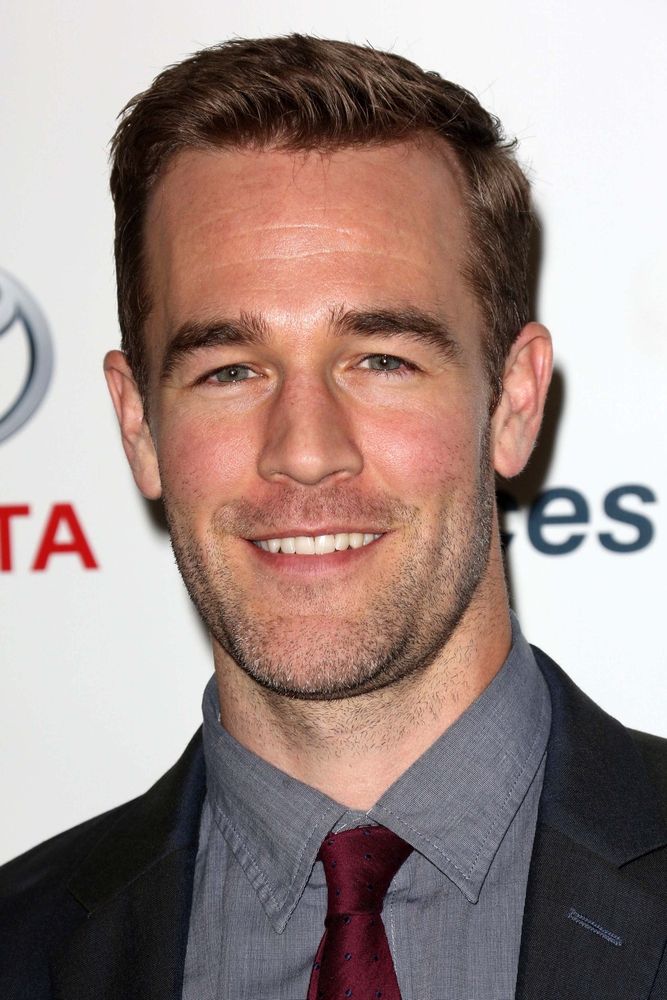
Boseman, best known for portraying King T’Challa in Black Panther, died in 2020 at age 43 after privately battling colon cancer for four years. Years later, the disease again captured headlines when Dawson’s Creek star James Van Der Beek died this year at age 48 after being diagnosed with Stage 3 colon cancer.
Their stories have helped shine a spotlight on a cancer that many people still associate primarily with older adults.
Colon cancer—often grouped with rectal cancer under the term colorectal cancer—is the fourth most common cancer in the United States and a leading cause of cancer-related deaths.
According to the American Cancer Society, more than 150,000 Americans are diagnosed with colorectal cancer each year, and tens of thousands die from the disease annually.
Health experts say the biggest concern now is the rise of cases in younger adults.
In fact, colorectal cancer has become the leading cause of cancer death among men under 50 and the second leading cause among women in the same age group.
Researchers have also found that diagnoses in adults under 50 have been increasing by roughly 2–3 percent per year in recent decades, even as rates decline in older populations thanks to improved screening.
Doctors believe multiple factors may contribute to the trend, including changes in diet, increased obesity, gut microbiome changes, environmental exposures, and lifestyle habits.
One reason the disease is particularly dangerous in younger people is that symptoms are often overlooked or dismissed.
Early colon cancer may not cause noticeable signs at first. When symptoms do appear, they can include persistent changes in bowel habits, blood in the stool, unexplained weight loss, abdominal pain, fatigue, or anemia caused by internal bleeding.
Because these symptoms can mimic less serious conditions like hemorrhoids or digestive issues, some patients are diagnosed only after the disease has progressed.
That’s why screening is considered the most powerful tool in preventing colon cancer deaths.
The U.S. Preventive Services Task Force now recommends routine screening beginning at age 45 for people at average risk.
Screening methods include colonoscopy, stool-based tests, and newer blood tests under development. A colonoscopy remains the gold standard because it allows doctors not only to detect cancer but also to remove precancerous polyps before they become dangerous.
Experts say early detection dramatically improves survival rates.
When colon cancer is caught at an early stage, the five-year survival rate can exceed 90 percent. However, if it spreads to distant organs, survival rates can fall below 15 percent.
Health specialists emphasize that people should not ignore warning signs simply because they are young or feel healthy.
Family history, inflammatory bowel diseases, smoking, heavy alcohol use, obesity, and diets high in processed meat can all increase risk.
The tragedies involving Boseman and Van Der Beek have prompted many doctors to encourage younger adults to pay closer attention to their digestive health.
As awareness grows, physicians hope more people will recognize symptoms early, seek medical advice sooner, and take advantage of screening tools that could ultimately save lives.