



Mattel is making waves with the release of its first-ever Autistic Barbie, a move that’s being praised—and closely examined—as a major step forward in representation. The doll officially launched on January 12 and was developed in partnership with the Autistic Self Advocacy Network, marking one of the most deliberate efforts yet to reflect neurodiversity in the toy aisle.
The debut has sparked wide conversation online, with many celebrating the thoughtful approach behind the design and others discussing what meaningful representation truly looks like for the autism community. For Mattel, the goal is clear: to ensure more children see themselves reflected in the world’s most iconic doll.
Autistic Barbie joins the Barbie Fashionistas line, which already includes dolls representing a wide range of skin tones, body types, disabilities, and medical conditions. According to Mattel, the new doll is meant to invite more kids into the Barbie universe by reflecting how they experience the world.
Jamie Cygielman, Mattel’s global head of dolls, explained that the project took more than 18 months and involved extensive collaboration with autistic individuals and advocates. She emphasized that Barbie has always been about reflecting both the real world and children’s dreams, and that Autistic Barbie is a natural extension of that mission.
ASAN played a central role throughout the design process. Colin Killick, the organization’s executive director, said the doll offers joyful and authentic representation, something he believes is crucial for young autistic people. He stressed that the partnership went beyond symbolism, allowing the autistic community to actively shape how the doll looks and what it includes.
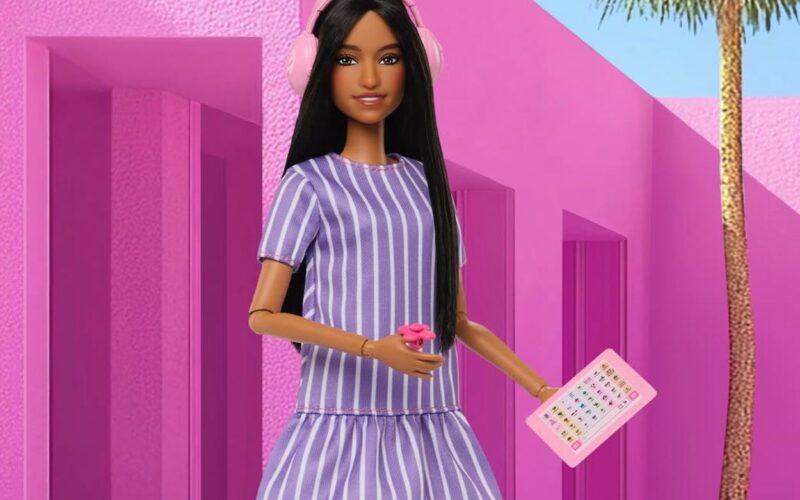
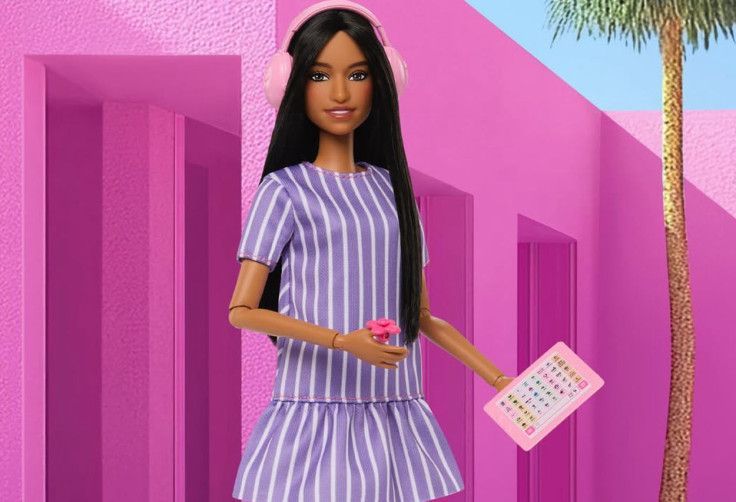
The design itself is packed with intentional details. Autistic Barbie features articulated elbows and wrists to reflect common self-regulating movements such as stimming or hand flapping. Her gaze is slightly averted, mirroring the experience of individuals who may avoid direct eye contact. She comes with accessories that many families instantly recognized as meaningful, including a spinning fidget toy, noise-canceling headphones, and a tablet displaying symbol-based AAC communication tools.
Her outfit was also designed with comfort and sensory sensitivity in mind. The doll wears a loose-fitting purple dress with short sleeves and a flowing skirt, paired with flat shoes built for ease and stability rather than style alone.
Advocacy groups have largely responded positively to the launch. Geraldine Dawson, founding director of the Duke Center for Autism and Brain Development, said seeing a doll that reflects autistic experiences can send a powerful message of belonging. She noted that representation like this can help strengthen self-esteem and even support mental health in children who often feel different or excluded.
Other nonprofit organizations echoed that sentiment, praising the collaboration between Mattel and ASAN as a thoughtful and respectful approach. Leaders emphasized that including neurodivergent experiences in everyday play can help reduce stigma while encouraging empathy among both autistic and non-autistic children.
For some, Autistic Barbie may look like just another doll. For others, it represents something far bigger—a sign that mainstream culture is slowly shifting toward fuller, more authentic inclusion, one toy at a time.